
Sauna Electrical Installation: Powering Your Relaxation Space
Learn More About Our Hot Tub, Spa, and Sauna Electrical Installation Services
Related Articles
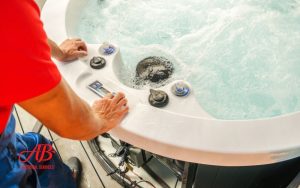

Safe & Efficient Electrical Setup for Your Home Sauna
A home sauna is the ultimate relaxation retreat—your personal escape from stress and tension. But what if a poor electrical setup turns that dream into a hazard? Overloaded circuits, faulty wiring, or moisture exposure can lead to safety risks and costly repairs.
At AB Electrical Services, we specialize in safe, code-compliant sauna electrical installations that ensure efficiency and long-term reliability. Whether you’re installing a new sauna or upgrading your existing setup, here’s everything you need to know to power your relaxation space the right way.
Understanding Electrical Needs for Saunas
Saunas require dedicated electrical connections due to their high power consumption. The exact requirements depend on the type of sauna you choose:
- Plug-in saunas operate on 120V and can be connected to a standard outlet but have limited heating capacity.
- Hardwired saunas require 240V circuits for faster heating and greater efficiency, making them the preferred option for many homeowners.
How Much Power Does a Sauna Need?
Sauna heaters vary in power requirements based on size and type. Most residential saunas require:
- 120V saunas: 15-20 amps
- 240V saunas: 30-50 amps (depending on heater wattage)
Before installing a sauna, it’s important to assess your home’s electrical panel to ensure it can handle the additional load. Older homes with 100-amp service may need an upgrade to a 200-amp panel for safe operation.
Key Safety Considerations for Sauna Electrical Installation
Meeting NEC Code Requirements
The National Electrical Code (NEC) sets strict regulations for sauna installations to minimize risks. These include:
- Dedicated circuits for sauna heaters to prevent overloading other household appliances.
- Proper wiring insulation to withstand high heat and humidity.
- GFCI (Ground Fault Circuit Interrupter) protection to reduce shock risks.
Why GFCI Protection Is Essential
Saunas generate high humidity, increasing the risk of electrical shorts and shocks. GFCI breakers immediately cut power if an imbalance in the electrical current is detected. At AB Electrical Services, we ensure GFCI protection is installed correctly, providing peace of mind and compliance with safety standards.
Preventing Moisture-Related Electrical Issues
Moisture is one of the biggest challenges for sauna electrical systems. To prevent damage:
- Use heat-resistant, moisture-proof wiring to prevent short circuits.
- Seal all electrical connections to avoid condensation buildup.
- Ensure proper ventilation to reduce excess humidity near wiring components.
Wiring and Circuit Requirements for Indoor vs. Outdoor Saunas
Choosing the Right Wiring Type
Saunas operate at high temperatures, so standard household wiring isn’t safe. For optimal performance and longevity, we use:
- THHN or THWN-2 insulated copper wiring, which is moisture- and heat-resistant.
- Metal conduit for added protection, especially in outdoor installations.
- High-temperature-rated electrical boxes to prevent overheating.
Indoor vs. Outdoor Sauna Installations
- Indoor saunas require careful moisture control and must be wired with sealed electrical connections to prevent condensation damage.
- Outdoor saunas need weatherproof conduit, waterproof junction boxes, and corrosion-resistant wiring to withstand exposure to the elements.
Positioning of Disconnect Switches for Safety
Every sauna must have an accessible disconnect switch to quickly cut power in emergencies. NEC requires that the switch be:
- Within sight of the sauna heater but not directly exposed to extreme heat.
- Easily accessible for maintenance and safety shutdowns.
- Weatherproof for outdoor installations to prevent exposure damage.
Best Practices for Sauna Heater Installation
Proper Heater Placement for Safety & Efficiency
Sauna heaters must be strategically placed for even heat distribution and safety. Key considerations include:
- Mounting the heater at the correct height to ensure proper air circulation.
- Leaving enough clearance from walls and benches to prevent overheating.
- Using heat-resistant materials around electrical components.
Ensuring Proper Grounding and Bonding
Proper grounding and bonding are critical for sauna safety. Without them, electrical currents can become unstable, increasing the risk of shocks and equipment failure.
At AB Electrical Services, we ensure that all sauna electrical systems are:
- Properly grounded to prevent stray electrical currents.
- Bonded to all metal components to eliminate electrical imbalances.
- Inspected for code compliance to ensure long-term safety and performance.
Avoiding Common Installation Mistakes
Incorrect sauna wiring can lead to fire hazards, overheating, or power failures. Common mistakes include:
- Using standard household wiring, which isn’t rated for high-heat environments.
- Skipping GFCI protection, leaving the system vulnerable to electrical faults.
- Improper breaker sizing, causing tripped circuits or underpowered heaters.
By hiring AB Electrical Services, you can avoid these risks and ensure your sauna operates safely and efficiently.
Maintenance & Troubleshooting for Long-Term Safety
Signs of Electrical Issues in a Sauna
Regular maintenance is key to preventing malfunctions. Watch for these warning signs:
- Flickering lights or unresponsive controls could indicate a loose connection or faulty wiring.
- Breakers tripping repeatedly may signal an overloaded circuit or moisture exposure.
- Overheating wires or burning smells require immediate professional inspection.
Routine Sauna Electrical Maintenance
To extend the lifespan of your sauna’s electrical system:
- Test GFCI breakers monthly to ensure they function properly.
- Check wiring insulation for signs of wear or moisture damage.
- Ensure proper airflow around the heater to prevent overheating.
If you notice any irregularities, it’s best to schedule an inspection with a professional electrician to prevent further damage or safety risks.
Reliable Sauna Wiring for a Safe & Relaxing Experience
A properly wired sauna ensures safe operation, energy efficiency, and long-term durability. Following NEC standards, using moisture-resistant wiring, and hiring a qualified electrician will protect your investment and your home.
If you’re ready to install a sauna or need professional electrical upgrades, contact AB Electrical Services today. Our team will ensure your system is wired correctly, allowing you to enjoy a safe and stress-free relaxation space.
Frequently Asked Questions
What are the electrical requirements for a home sauna?
The electrical requirements for a home sauna depend on the type of heater used. Traditional saunas with electric heaters typically require a dedicated 220–240V circuit, with amperage needs varying based on the heater’s size—smaller heaters (4.5 kW) may need about 20–30 amps, while larger heaters (6 kW–9 kW) could require 30–50 amps. Infrared saunas often operate on a standard 110/120V outlet with a 15–20 amp circuit. It’s essential to consult the manufacturer’s specifications and hire a licensed electrician to ensure compliance with local codes and safe operation.
Can I install a sauna heater myself, or should I hire a professional electrician?
Installing a sauna heater involves complex electrical work that must comply with specific safety standards and local building codes. Due to the risks associated with improper installation—such as electrical shocks, fires, or equipment damage—it’s highly recommended to hire a licensed electrician. A professional will ensure that all wiring, circuit breakers, and connections are correctly installed and meet regulatory requirements, providing peace of mind and a safe sauna experience.
Do infrared saunas require special electrical installations?
Infrared saunas generally have lower power requirements compared to traditional saunas. Many infrared models are designed to plug into standard 110/120V outlets and typically require a 15–20 amp circuit. However, some larger infrared saunas may necessitate a dedicated 240V circuit. It’s crucial to review the specific electrical requirements provided by the manufacturer and consult with a licensed electrician to ensure your home’s electrical system can accommodate the sauna safely.

Request a Quote
Fill out the form below and a member of our team will reach out to you as soon as possible