Will Your Generator Be Ready When You Need It Most?
Picture this: A storm rolls in, the power flickers, and then—darkness. You grab your flashlight, head outside to fire up your generator, and… nothing. The outlet is soaked, the connection is corroded, and your backup power plan just became a frustrating, costly problem.
Your generator is supposed to be your safety net, but if the outlet isn’t properly weatherproofed, rain, snow, and moisture can turn that safety net into a liability. Water and electricity don’t mix, and an unprotected generator outlet isn’t just unreliable—it’s dangerous.
So, how do you make sure your generator connection is ready to perform when you need it most? Let’s break it down step by step.
Why Weatherproofing Your Generator Outlet Matters
Your generator outlet is the bridge between your home and your backup power source. If that bridge isn’t protected from the elements, you’re facing:
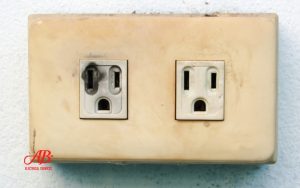
–Water Damage: Moisture can seep into the outlet, causing electrical shorts and corrosion.
–Fire & Shock Hazards: Wet or damaged outlets increase the risk of electrical fires and electrocution.
–Power Interruptions: An unreliable connection means your generator might not power your home when it’s needed most.
–Costly Repairs: Water-damaged electrical components can lead to expensive replacements.
Before & After Mindset:
Before: Every storm brings anxiety—will your generator work, or will you be left in the dark?
After: Peace of mind knowing your backup power is safe, secure, and ready to go at a moment’s notice.
How to Properly Weatherproof Your Generator Outlet
1. Install a Heavy-Duty Weatherproof Outlet Cover
The first layer of defense is a proper outlet cover. Not all covers are created equal, so choose one that provides full protection while in use.
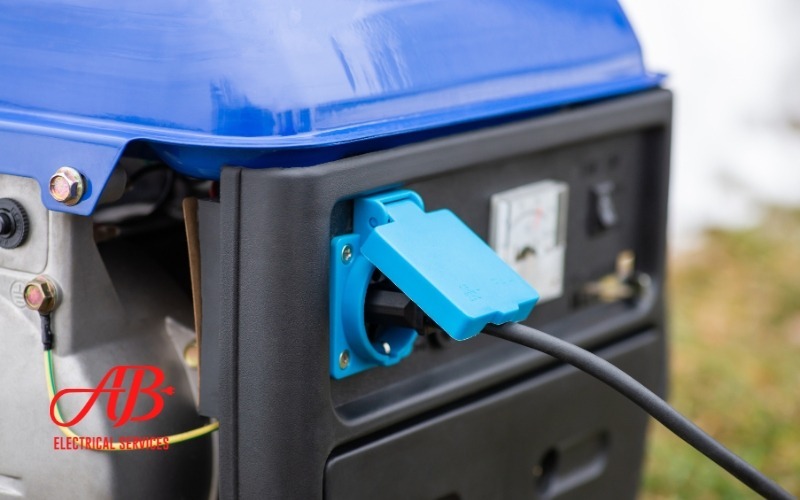
–Bubble-Style (In-Use) Covers: These keep your outlet protected even when your generator is plugged in.
–Durable Materials: Opt for heavy-duty plastic or metal to withstand extreme weather conditions.
–Tight Seals: Look for covers with rubber gaskets to prevent moisture intrusion.
Think of this like a raincoat for your generator outlet—it keeps the connection dry no matter how bad the weather gets.
2. Use a Generator Power Inlet Box
A dedicated generator inlet box offers even better protection than a standard outlet. It’s fully enclosed, wall-mounted, and built for outdoor use.
–NEMA-Rated for Outdoor Conditions: Weather-sealed to handle rain, snow, and high winds.
–Elevated Placement: Keep it at least 18 inches off the ground to prevent water exposure.
–Heavy-Duty Construction: Look for metal enclosures with corrosion-resistant coatings.
Imagine parking your car in a garage vs. leaving it outside in a storm. A generator inlet box is that protective garage for your power connection.
3. Choose Outdoor-Rated Electrical Components
Your generator outlet is only as strong as the components surrounding it. Using indoor-rated parts outside is a recipe for disaster.
–GFCI Protection: A Ground Fault Circuit Interrupter (GFCI) outlet protects against electric shocks.
–Outdoor-Rated Extension Cords: Look for weatherproof, UV-resistant cords rated for generator use.
–Proper Wire Gauge: Ensure the cord can handle your generator’s power output.
This is like using waterproof boots instead of sneakers in the rain—you need the right gear for the conditions.
4. Seal Every Entry Point
Moisture doesn’t just attack from the front—it sneaks in through tiny gaps. Sealing all entry points, conduits, and wire connections keeps water out.
–Weatherproof Caulk: Seal the edges around the outlet box.
–Waterproof Grommets: Protect wiring where it enters your home.
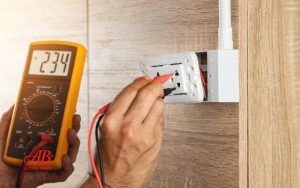
–Regular Inspections: Check for cracks, gaps, or signs of wear.
A tiny crack might seem harmless, but over time, it’s like a leak in your roof—it will cause damage if left unchecked.
5. Regular Maintenance = Reliable Power
A weatherproof outlet today won’t stay that way forever. Routine maintenance keeps your generator connection in peak condition.
–Inspect for Cracks & Wear: UV exposure and extreme temperatures can weaken protective covers.
–Test Weatherproof Seals: Check gaskets and seals for tightness.
–Clear Away Dirt & Debris: Keep the area around your outlet clean to prevent buildup.
Think of it like maintaining your car—regular checkups prevent unexpected breakdowns when you need it most.
Stay Powered, Stay Protected
A properly weatherproofed generator outlet means you never have to wonder, “Will my generator work when I need it?” Investing in the right covers, enclosures, and maintenance ensures that your backup power is always safe, secure, and ready to go.
Don’t wait until the next storm to find out if your generator outlet is up to the task! Need help installing or upgrading your setup? Contact AB Electrical Services today for a professional inspection and weatherproofing solution.
FAQs – What Homeowners Want to Know
Can I use a regular outdoor outlet for my generator?
No! A standard outdoor outlet isn’t built for generator power. You need a dedicated generator inlet box.
What happens if my generator outlet gets wet?
Water can cause electrical shorts, corrosion, and fire hazards. That’s why proper weatherproofing is critical.
How do I know if my generator outlet is weatherproof?
Look for a NEMA-rated, in-use cover and make sure all connections are sealed properly.
Is a GFCI outlet required for my generator?
While not always required, a GFCI outlet adds an extra layer of protection against shocks and power surges.
How often should I inspect my generator outlet?
At least twice a year, especially before storm season, to ensure everything is intact.