
Why Hardwired Smoke Detectors Are More Reliable Than Battery-Only Models
Learn More About Our Smoke Detector Services
- The Life-Saving Benefits of Hardwired Smoke Detectors
- Where Should You Install Smoke Detectors?
- Why Hardwired Smoke Detectors Are More Reliable Than Battery-Only Models
- How Often Should You Test, Maintain, or Replace Your Hardwired Smoke Detectors?
- Smart Hardwired Smoke Detectors: Enhancing 24/7 Monitoring & Emergency Alerts
Related Articles
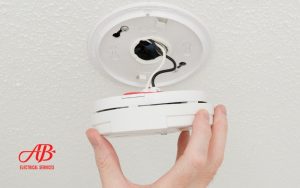

Fire Safety Should Never Be Left to Chance
Imagine this: It’s late at night, and a fire starts in your home. You assume your smoke detector will warn you in time—but what if the battery is dead? Would you hear the alarm, or would your family be caught off guard?
Many homeowners rely on battery-powered smoke detectors for fire protection, but batteries can fail, be removed, or die without warning. Hardwired smoke detectors, on the other hand, are directly connected to your home’s electrical system, ensuring 24/7 protection with a built-in battery backup for added security.
At AB Electrical Services, we know that fire safety isn’t something you leave to chance. This expert-driven guide explains why hardwired smoke detectors are the safest choice, how they work, and when it’s time to upgrade your fire protection system.
The Importance of Reliable Smoke Detection
Why Early Fire Detection Saves Lives
A functioning smoke detector provides early warning, allowing families to escape before fire and smoke make evacuation impossible. Fires can spread in as little as three minutes, so every second counts.
How Many Home Fire Deaths Occur Due to Missing or Non-Working Smoke Alarms?
- Three out of five home fire deaths occur in homes without working smoke alarms
- Nearly 40% of smoke alarm failures happen because the unit is missing, disconnected, or has dead batteries
- Homes with working, interconnected smoke detectors have a 50% lower risk of fire-related fatalities
The Risks of Relying Solely on Battery-Powered Smoke Detectors
- Higher failure rates due to dead or missing batteries
- Delayed alerts—if the fire starts in another room, a standalone detector may not alert everyone
- Requires frequent battery changes, increasing the risk of being left unprotected
How Hardwired Smoke Detectors Work
Direct Electrical Connection Ensures 24/7 Operation
Hardwired smoke detectors are permanently connected to your home’s electrical wiring, ensuring they remain operational at all times. This eliminates the risk of forgetting to change batteries or having a unit fail without warning.
Interconnected Alarms: How One Triggered Alarm Alerts the Entire House
One of the most significant advantages of hardwired smoke detectors is interconnectivity. If a fire starts in one room, all smoke alarms in the system will activate simultaneously, ensuring everyone in the home hears the alarm—no matter where they are.
Battery Backup for Protection During Power Outages
Even if the power goes out, a built-in battery backup keeps the detector functional. This ensures continuous fire protection, whether due to a storm, electrical failure, or natural disaster.
Hardwired vs. Battery-Only Smoke Detectors: Key Differences
Feature | Hardwired Smoke Detector | Battery-Powered Smoke Detector |
Power Source | Home’s electrical system with battery backup | Battery only (can be removed or die) |
Reliability | High—always powered | Risk of failure if battery dies |
Interconnectivity | Alarms activate together | Standalone—only the affected unit sounds |
Code Compliance | Required in most new homes | Allowed in older homes but less effective |
Maintenance | Requires periodic battery backup replacement | Requires frequent battery changes |
Why Battery-Only Alarms Are Riskier
- Limited detection range—only the room where the fire starts will sound the alarm
- Easy to disable, especially if false alarms occur near kitchens or bathrooms
- More maintenance required, as battery replacements are often forgotten
When Should You Upgrade to Hardwired Smoke Detectors?
- If your home relies solely on battery-powered smoke alarms
- If you frequently forget to replace smoke detector batteries
- If you want interconnected alarms that activate throughout your home for better protection
When & Why You Should Upgrade to Hardwired Smoke Detectors
Are Battery-Operated Alarms Enough? When to Make the Switch
Battery-powered smoke detectors are better than nothing, but they come with significant limitations. If reliability and full-home coverage are priorities, hardwired smoke detectors are the superior choice.
How Upgrading Improves Fire Safety Compliance in Older Homes
Many older homes were built before interconnected smoke detectors were required by code. Upgrading to a hardwired system brings your home up to modern fire safety standards, reducing risks and improving protection.
The Cost of Installing Hardwired Smoke Detectors vs. Potential Fire Damage
- Average cost of installing hardwired smoke detectors: $150–$300 per unit (including wiring and labor)
- Average cost of fire damage in homes without working smoke detectors: $10,000–$50,000+ in structural damage, injuries, or fatalities
- Peace of mind knowing your family is protected? Priceless
Installation & Maintenance Tips for Long-Term Reliability
Best Locations to Install Hardwired Smoke Detectors in a Home
To ensure full-home protection, smoke detectors should be installed:
Inside every bedroom to wake sleeping occupants
Outside each sleeping area (hallways and stairwells)
On every level of the home, including the basement
At least 10 feet away from cooking appliances to prevent false alarms
How to Test and Maintain Your System to Ensure It Functions Properly
- Test alarms monthly using the test button
- Replace backup batteries once a year to ensure continued operation during power outages
- Replace the entire smoke detector every 10 years, as sensors degrade over time
The Role of Professional Installation in Ensuring Compliance & Reliability
A licensed electrician ensures smoke detectors are:
Properly wired and interconnected for full-home coverage
Installed in compliance with NFPA (National Fire Protection Association) codes
Positioned correctly for maximum effectiveness
Upgrade to Hardwired Smoke Detectors for Maximum Protection
Your home’s fire safety should never rely on a single battery. Hardwired smoke detectors provide superior reliability, continuous power, and whole-home alerts, ensuring you and your loved ones have the earliest possible warning in an emergency.
Don’t wait for a disaster to find out your smoke detectors aren’t working. Contact AB Electrical Services today to upgrade to hardwired smoke detectors for better protection and peace of mind.
Frequently Asked Questions
Do hardwired smoke detectors work during a power outage?
Yes, hardwired smoke detectors are connected to your home’s electrical system and are equipped with a battery backup to ensure continuous operation during power outages.
Can I install hardwired smoke detectors myself, or do I need a professional?
Installing hardwired smoke detectors involves working with your home’s electrical wiring, which can be complex and potentially hazardous. It’s recommended to hire a licensed electrician to ensure proper installation and compliance with local building codes.
How often should I replace the backup battery in a hardwired smoke detector?
It’s advisable to replace the backup battery in your hardwired smoke detector at least once a year to ensure reliability during power outages. Regular maintenance, including testing the alarm monthly, is essential for optimal performance.
Request a Quote
Fill out the form below and a member of our team will reach out to you as soon as possible