
How Often Should You Test, Maintain, or Replace Your Hardwired Smoke Detectors?
Learn More About Our Smoke Detector Services
- The Life-Saving Benefits of Hardwired Smoke Detectors
- Where Should You Install Smoke Detectors?
- Why Hardwired Smoke Detectors Are More Reliable Than Battery-Only Models
- How Often Should You Test, Maintain, or Replace Your Hardwired Smoke Detectors?
- Smart Hardwired Smoke Detectors: Enhancing 24/7 Monitoring & Emergency Alerts
Related Articles
Is Your Smoke Detector Ready When You Need It Most?
It’s 2 AM, and your smoke detector starts chirping. Annoyed, you pull out the battery, thinking, “I’ll deal with it later.” But what if later never comes? What if a fire breaks out while your detector is silent?
Smoke detectors are your home’s first line of defense against fire, but they can only protect you if they are functioning properly. Many homeowners install smoke alarms and forget about them, assuming they’ll work when needed. The reality is that regular testing, maintenance, and timely replacement are essential for reliable fire protection.
At AB Electrical Services, we take fire safety seriously. This guide will walk you through how often you should test, maintain, and replace your hardwired smoke detectors, ensuring your home, business, and loved ones stay protected 24/7.
Why Regular Testing & Maintenance is Essential
The Life-Saving Role of Smoke Detectors in Home and Business Safety
Smoke detectors provide early warning, giving you precious seconds to evacuate before fire and smoke spread. More than half of all home fire deaths occur in properties without working smoke alarms—often because the alarms were not maintained or tested regularly.
The Alarming Truth: Fire Safety Statistics
- Three out of five home fire deaths occur in homes without working smoke alarms
- 40% of smoke detector failures happen because the alarm was missing, disconnected, or had a dead battery
- The risk of dying in a fire is cut in half in homes with properly installed and maintained smoke detectors
Hardwired vs. Battery-Powered Smoke Detectors: Different Maintenance Needs
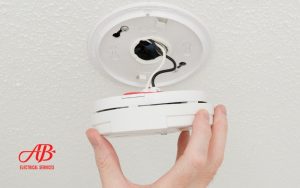
Unlike battery-operated alarms, hardwired smoke detectors are connected to your home’s electrical system. However, they still require maintenance to ensure they are properly powered, interconnected, and functioning correctly.
How Often Should You Test Your Smoke Detector?
Recommended Testing Schedule
- Test your hardwired smoke detector once a month by pressing the test button
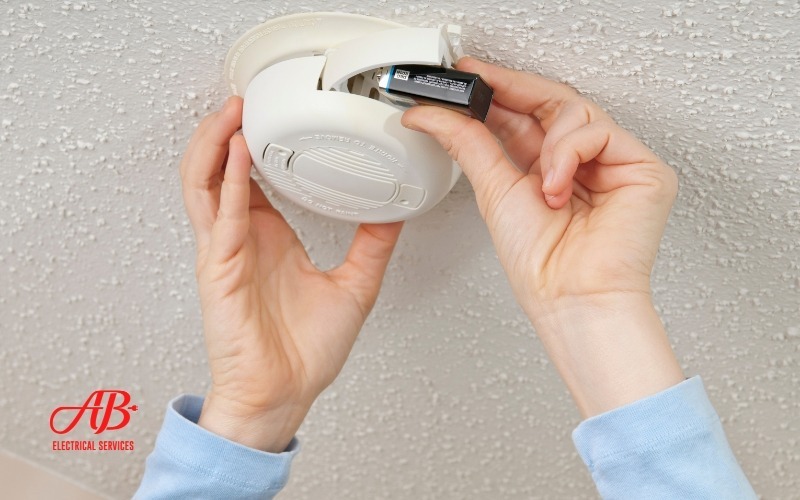
- Replace the backup battery once a year (even if it’s not chirping)
- Perform a full-system test annually to ensure all interconnected alarms trigger simultaneously
How to Properly Test a Smoke Detector
- Press the test button and listen for the alarm
- Use real smoke (like a smoke detector test spray) to check sensor responsiveness
- Verify interconnectivity by testing one alarm and ensuring all others in the system activate
Signs That Your Smoke Detector Needs Immediate Attention
– No sound when testing
– Frequent false alarms or unexplained beeping
– Chirping even after replacing the backup battery
– Smoke detector is over 10 years old
Proper Maintenance Tips for Long-Term Reliability
Cleaning Your Smoke Detector to Prevent False Alarms
Dust, pet hair, and debris can interfere with the sensor, causing false alarms or preventing it from detecting smoke properly. Clean your detector every six months by:
- Gently vacuuming around the vents
- Using compressed air to remove dust buildup
- Wiping the exterior with a dry cloth
Checking Wiring Connections to Ensure the Detector is Receiving Power
Even hardwired smoke detectors can experience loose connections or electrical failures. Have a licensed electrician inspect your smoke detectors annually to ensure they are receiving power and properly linked.
When to Replace the Backup Battery in a Hardwired Unit
Even though hardwired smoke detectors don’t rely on batteries for power, their battery backup ensures operation during power outages. Change the backup battery once a year, even if there’s no warning chirp.
When Should You Replace Your Hardwired Smoke Detectors?
Industry Standards: Replace Every 10 Years
Over time, smoke detector sensors become less sensitive, reducing their ability to detect smoke effectively. The National Fire Protection Association (NFPA) recommends replacing smoke detectors every 10 years to ensure continued reliability.
Signs That It’s Time to Replace Your Smoke Detector
- Discoloration or yellowing of the plastic casing
- Frequent malfunctions or false alarms
- Faded or missing manufacturer’s date (indicating the unit is over 10 years old)
Upgrading to Smart Smoke Detectors for Enhanced Protection
Modern smart smoke detectors offer real-time mobile alerts, voice notifications, and even integration with home automation systems. Features include:
- Instant smartphone alerts when smoke is detected
- Self-testing capabilities to ensure sensors are working
- Carbon monoxide detection for dual-threat monitoring
Why Professional Inspection & Replacement Matters
Ensuring Fire Code Compliance with Properly Installed Alarms
Many local fire codes require interconnected smoke alarms that activate together in an emergency. A licensed electrician ensures that your system meets NFPA standards and is properly wired for full-home coverage.
Why DIY Smoke Detector Replacement Can Be Risky
- Incorrect wiring could cause alarms to fail during an emergency
- Improper placement can lead to delayed detection or false alarms
- Failure to interconnect detectors means alarms may not sound in all areas of the home
How Professional Electricians Test and Certify a Fully Operational System
A certified electrician will:
- Ensure proper wiring and secure mounting
- Test interconnectivity and battery backup function
- Verify compliance with fire safety regulations
Stay Protected with Regular Smoke Detector Maintenance
A working smoke detector is your best defense against home fires—but only if it’s tested, maintained, and replaced on schedule. Hardwired smoke detectors offer superior protection, but they still require regular upkeep to remain effective.
Don’t wait for an emergency to find out your smoke detectors aren’t working. Contact AB Electrical Services today for professional smoke detector testing, maintenance, and upgrades.
Frequently Asked Questions
How often should I test my hardwired smoke detectors?
It’s recommended to test your hardwired smoke detectors at least once a month. Regular testing ensures that both the primary power source and the backup battery are functioning correctly, providing continuous protection.
When should hardwired smoke detectors be replaced?
All smoke detectors, including hardwired models, should be replaced every 10 years. Over time, the sensors can become less sensitive, compromising their effectiveness in detecting smoke. To determine the age of your detector, check the manufacture date printed on the device.
Do hardwired smoke detectors need battery replacements?
Yes, hardwired smoke detectors typically have a backup battery to ensure functionality during power outages. It’s advisable to replace these backup batteries at least once a year. A good practice is to change the batteries during daylight saving time transitions to help remember this annual task.
Request a Quote
Fill out the form below and a member of our team will reach out to you as soon as possible