As Orange County’s trusted family-owned electrical experts, AB Electrical Services understands that choosing the right EV charging station is more than just a purchase—it’s an investment in your home’s future. We’re here to illuminate your path towards a greener lifestyle, ensuring your transition to electric vehicle ownership is as smooth and efficient as our top-notch electrical services.
The Electric Revolution at Your Doorstep
Electric vehicles (EVs) are rapidly gaining popularity in Orange County, reflecting a global shift towards sustainable transportation. This surge in EV adoption is driven by environmental consciousness, technological advancements, and the desire for energy independence. As more residents embrace electric mobility, the need for convenient and efficient home charging solutions has become paramount.
Home charging is essential for EV owners for several reasons:
- Convenience: Charge your vehicle overnight, ensuring it’s ready for your daily commute.
- Cost-effectiveness: Home electricity rates are generally lower than public charging fees.
- Reliability: No need to rely on the availability of public charging stations.
- Customization: Tailor your charging setup to your specific needs and preferences.
Understanding EV Charging Basics
Before delving into the types of home charging stations, it’s crucial to understand the different charging levels available:
Level 1 Charging
- Uses a standard 120-volt household outlet
- Provides about 3-5 miles of range per hour of charging
- Ideal for overnight charging or plug-in hybrid vehicles
Level 2 Charging
- Requires a 240-volt outlet, similar to what’s used for large appliances
- Delivers 10-30 miles of range per hour of charging
- Most popular option for home charging
DC Fast Charging (Level 3)
- Typically found in public charging stations
- Can provide up to 80% charge in 30 minutes
- Not suitable for home installation due to high power requirements
Charging speed significantly affects your daily routine. While Level 1 charging might suffice for those with short commutes or plug-in hybrids, Level 2 charging offers greater flexibility and faster charging times, accommodating longer daily drives and full electric vehicles.
Types of Home EV Charging Stations
Level 1 Chargers: The Standard Solution
Level 1 chargers are the most basic option, using your home’s existing 120-volt outlets. While they’re the slowest charging option, they require no additional installation and come standard with most EVs. These chargers are suitable for overnight charging if you have a short daily commute or own a plug-in hybrid vehicle.
Level 2 Chargers: The Popular Powerhouse
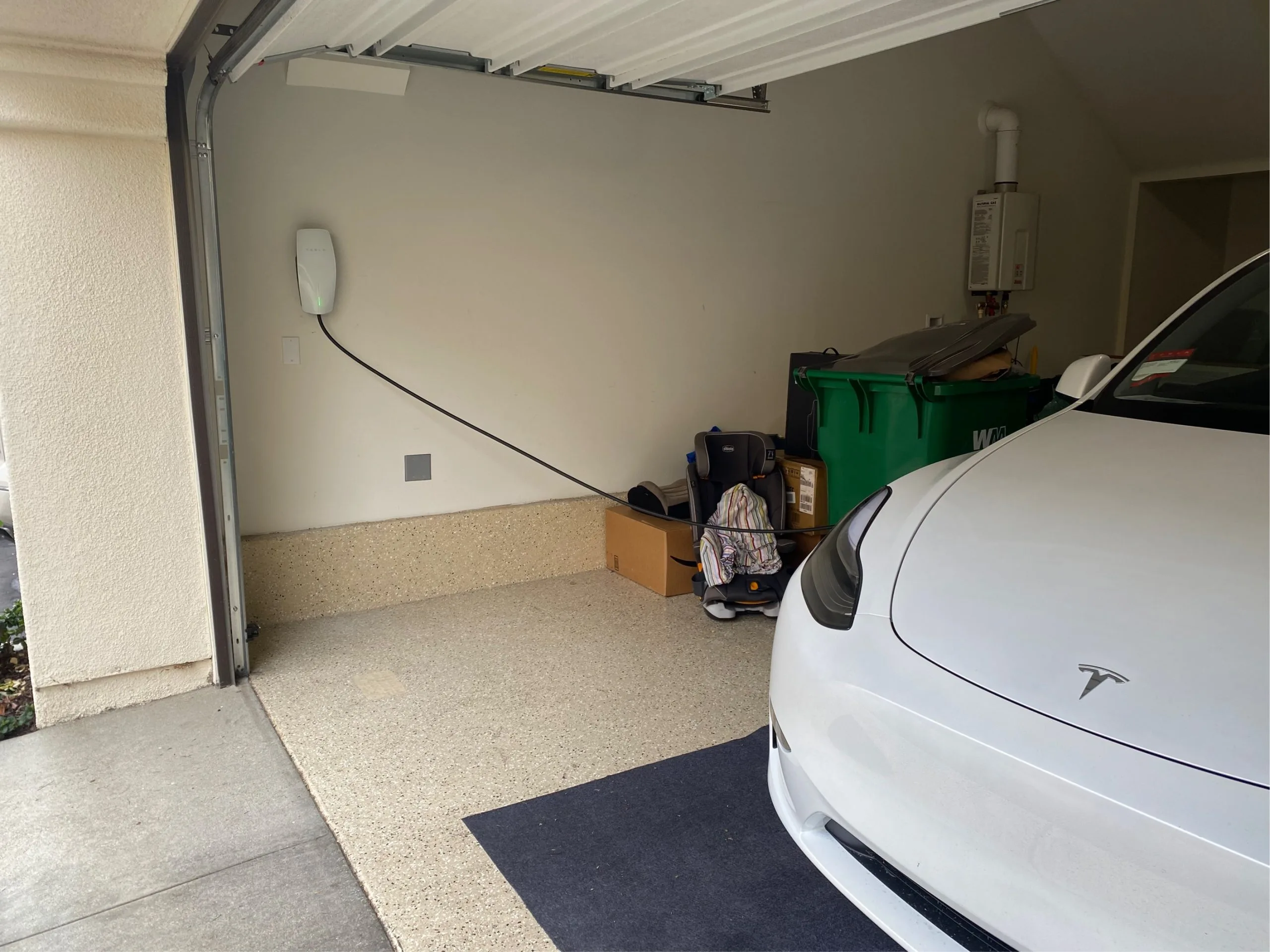
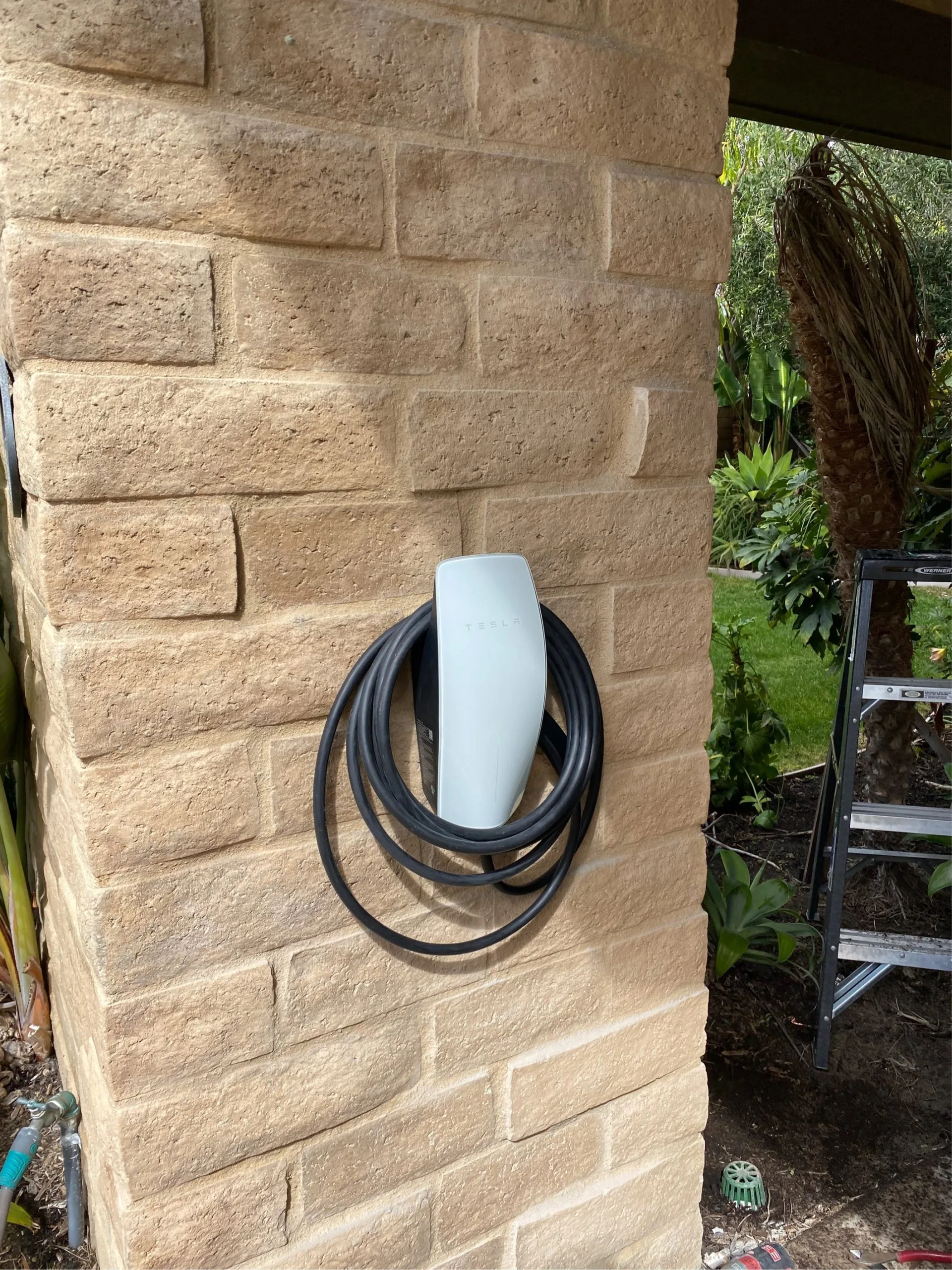
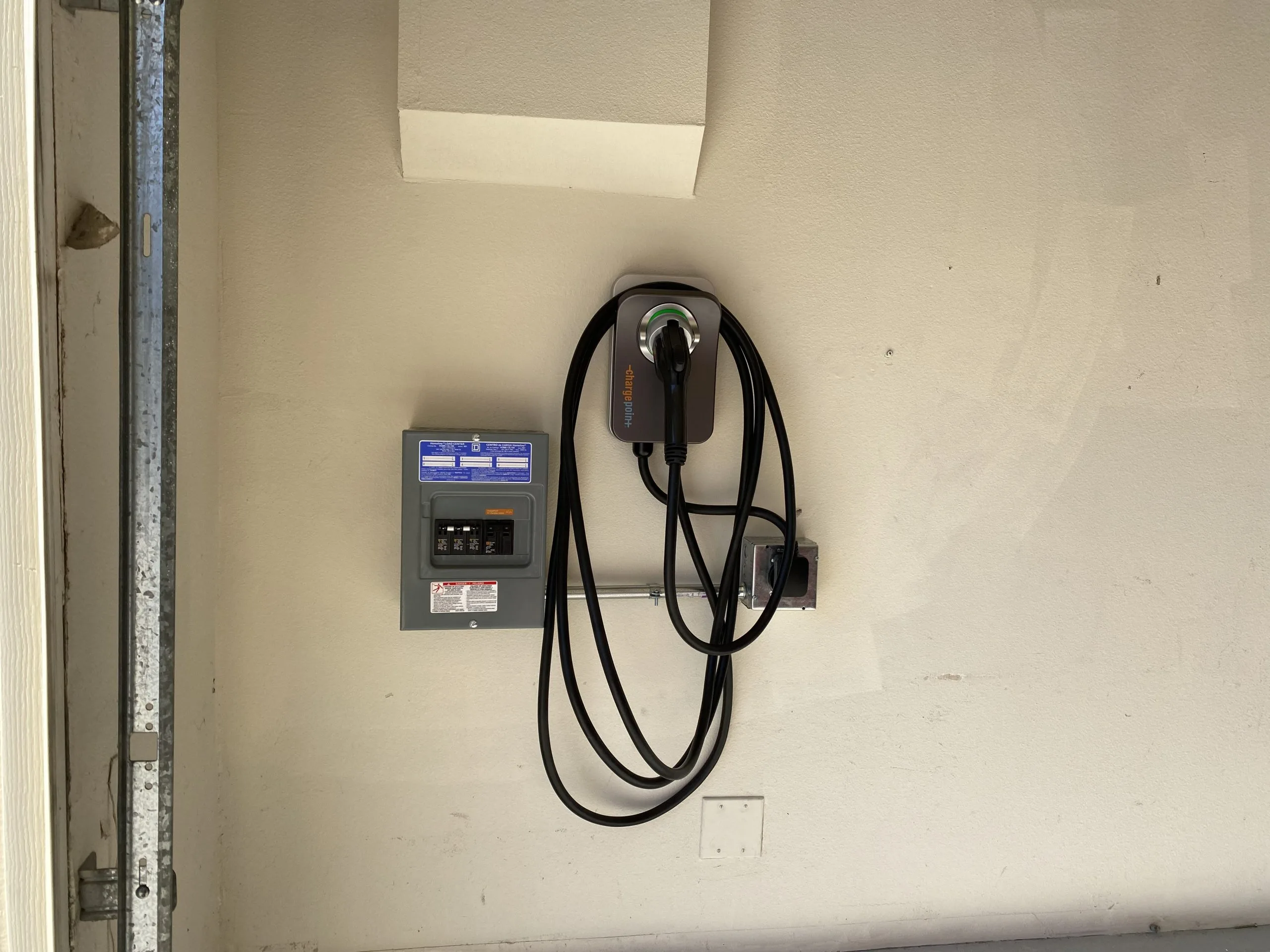
Level 2 chargers are the most popular choice for home charging. They require a 240-volt outlet but offer significantly faster charging speeds compared to Level 1. With a Level 2 charger, you can fully charge most EVs overnight, making them ideal for daily use. Popular Level 2 chargers that AB Electrical Services installs include ChargePoint, Wallbox, Rivian, and Ford models.
Smart Chargers: The Future-Ready Option
Smart chargers are Level 2 chargers with additional features that enhance the charging experience. These chargers can connect to your home’s Wi-Fi network, allowing you to monitor and control charging remotely via smartphone apps. They can also integrate with home energy management systems, optimize charging based on electricity rates, and provide detailed charging data.
Choosing the Right Charger for Your Home
Selecting the appropriate EV charger for your home involves several considerations:
- Assess your daily driving needs: Calculate your average daily mileage to determine the charging speed required.
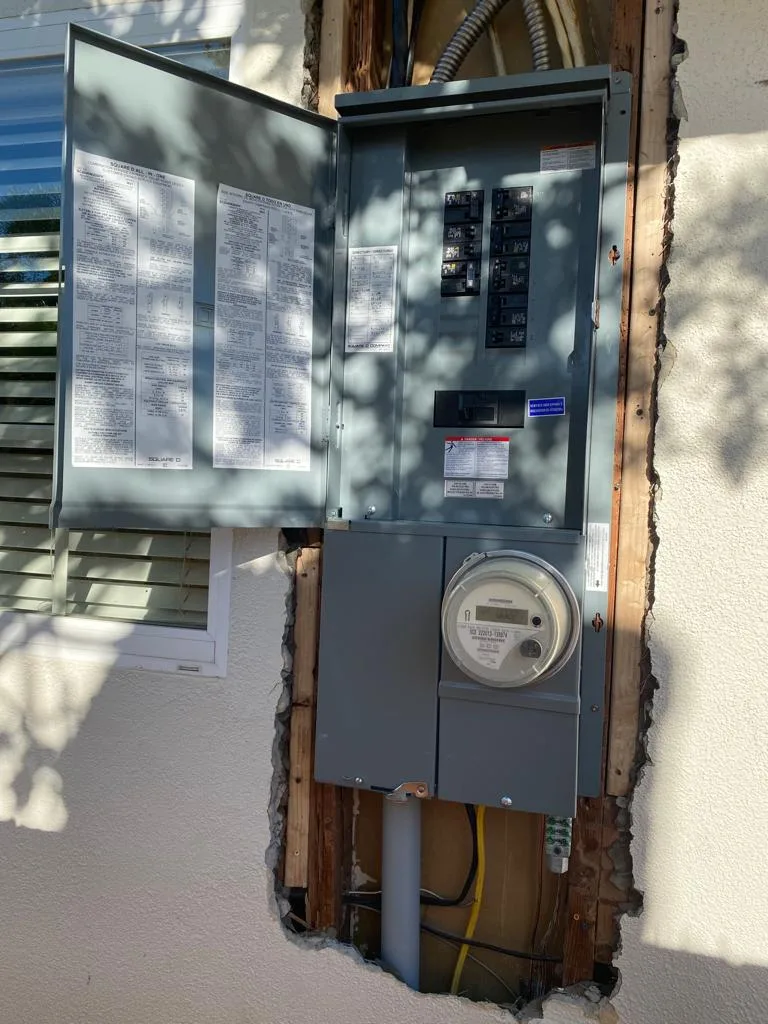
- Evaluate your home’s electrical system: Ensure your electrical panel can support a Level 2 charger if needed.
- Consider smart features: Decide if remote monitoring, scheduling, and energy management capabilities are important to you.
- Future-proofing: Choose a charger that can accommodate potential upgrades or additional EVs in the future.
- Installation requirements: Factor in the location of your electrical panel and where you park your EV.
Installation Process: Trust the Experts
Professional installation is crucial for ensuring safety, compliance with local regulations, and optimal performance of your EV charger. AB Electrical Services offers a streamlined installation process:
- Initial assessment: We evaluate your home’s electrical system and discuss your charging needs.
- Customized solution: We recommend the best charger and installation location based on your requirements.
- Permit acquisition: We handle all necessary permits required by Orange County authorities.
- Professional installation: Our certified electricians perform the installation, ensuring all safety standards are met.
- Final inspection and testing: We conduct thorough testing to ensure your charger is working correctly.
- User education: We provide guidance on how to use and maintain your new charging station.
Cost Considerations: An Investment in Sustainability
While the initial cost of installing a home EV charger may seem significant, it’s important to consider the long-term savings:
- Reduced fuel costs: Electricity rates are generally lower and more stable than gasoline prices.
- Lower maintenance expenses: EVs typically require less maintenance than traditional vehicles.
- Increased home value: A pre-installed EV charger can be an attractive feature for potential buyers.
California offers various incentives and rebates for EV charger installation, including:
- Utility company rebates
- State and local government incentives
- Federal tax credits
AB Electrical Services can help you navigate these incentives to maximize your savings.
Future-Proofing Your Home Charging Setup
As EV technology evolves, it’s wise to consider future-proofing your home charging setup:
- Install a higher-capacity charger than currently needed to accommodate future EV models with larger batteries.
- Choose a smart charger that can receive software updates for new features and compatibility.
- Consider installing conduit for additional charging stations if you plan to own multiple EVs.
- Explore bidirectional charging options, which allow your EV to power your home during outages.
Charge Ahead with AB Electrical Services
Embracing EV technology is a significant step towards a sustainable future, and choosing the right home charging solution is crucial to this journey. AB Electrical Services is committed to providing Orange County homeowners with expert guidance, professional installation, and ongoing support for all your EV charging needs.
By partnering with us, you’re not just installing a charger; you’re investing in a cleaner, more efficient future for your home and community. Let AB Electrical Services be your trusted partner in powering your electric dreams.