
Electrical Requirements for Hot Tubs, Spas, and Saunas
Learn More About Our Hot Tub, Spa, and Sauna Electrical Installation Services
Related Articles
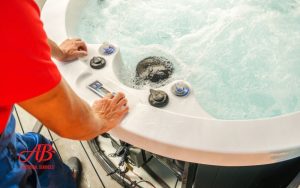

Ensuring Safe, Reliable Power for Your Relaxation Space
Imagine finally unwinding in your dream hot tub or sauna—only to realize your home’s electrical system isn’t up to the task. Faulty wiring, tripping breakers, or even a potential safety hazard can turn relaxation into a nightmare. That’s why ensuring proper electrical installation is key to long-term enjoyment, efficiency, and safety.
At AB Electrical Services, we specialize in helping homeowners set up their hot tubs, spas, and saunas correctly—meeting all code requirements and avoiding costly mistakes. Here’s what you need to know before starting your installation.
Understanding Electrical Requirements for Hot Tubs, Spas, and Saunas
- Hot tubs & spas typically require 240 volts and a dedicated 50-amp circuit. Some smaller plug-in models run on 120 volts, but they heat more slowly and have limited functionality.
- Infrared saunas usually operate on 120 volts, while traditional saunas with heating elements require 240 volts to generate enough heat.
- A dedicated circuit is essential for all installations to prevent overloading your home’s electrical panel.
Because these systems involve both electricity and water, GFCI (Ground Fault Circuit Interrupter) protection is required. A GFCI breaker automatically shuts off power if it detects an imbalance, preventing potential shock hazards. To meet National Electrical Code (NEC) standards, GFCI breakers must be installed at least five feet away from water sources.
Safety Considerations & Code Compliance
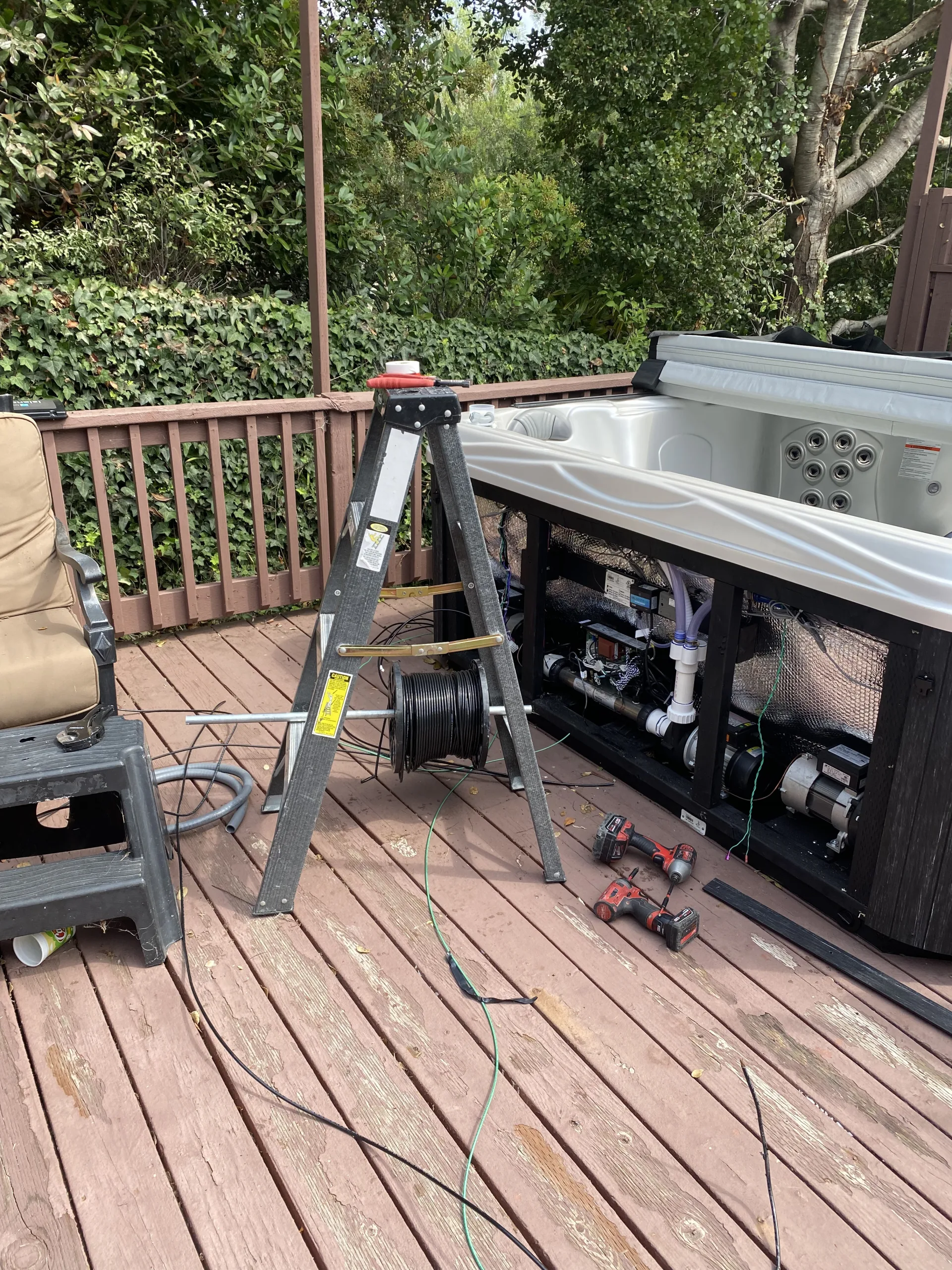
- All hot tub, spa, and sauna installations must meet NEC regulations and local building codes to ensure safety. This includes proper wiring, conduit usage, and breaker sizing.
- Most areas require permits for hot tub, spa, and sauna electrical installations. Without the proper permits and inspections, you risk:
- Failed inspections that require costly corrections
- Fines and penalties for non-compliance
- Voided homeowner’s insurance due to unpermitted work
- We take care of the entire process, from securing permits to ensuring your system passes inspection the first time.
Common reasons installations fail inspections include:
- Incorrect bonding and grounding, increasing shock risks
- Breaker sizing issues, leading to frequent tripping or overheating
- Poor moisture protection, which can cause electrical damage over time
By following proper safety guidelines, you can avoid unnecessary risks and ensure a hassle-free installation process.
Choosing the Right Electrical Setup for Your Space
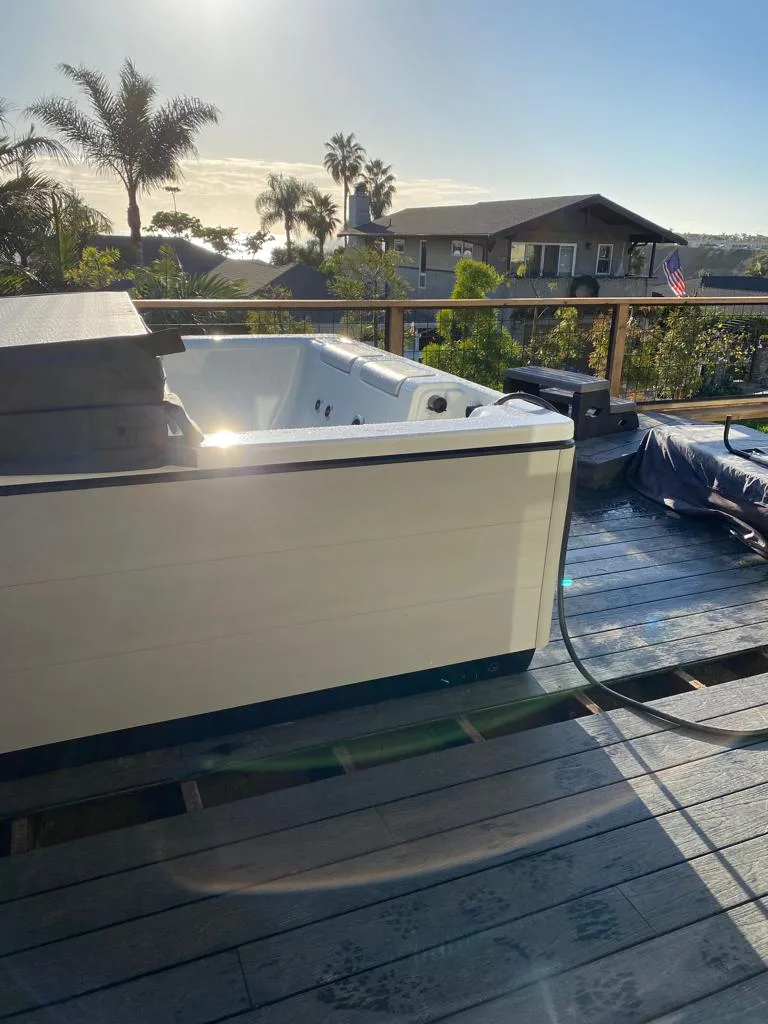
The location of your hot tub, spa, or sauna affects the type of wiring and protection required. Outdoor installations require weatherproof electrical components, GFCI outlets, and protected conduit to prevent moisture-related damage. Indoor setups must focus on proper ventilation and moisture control to avoid electrical hazards caused by condensation.
Before installing a hot tub or sauna, it’s important to assess your home’s electrical capacity. Many older homes have 100-amp panels, which may not be sufficient for a 240V hot tub or sauna. If additional power is needed, we can determine whether a panel upgrade is necessary.
Maintenance and Long-Term Considerations
Routine Maintenance for Electrical Safety
- Test GFCI breakers monthly to ensure they function properly.
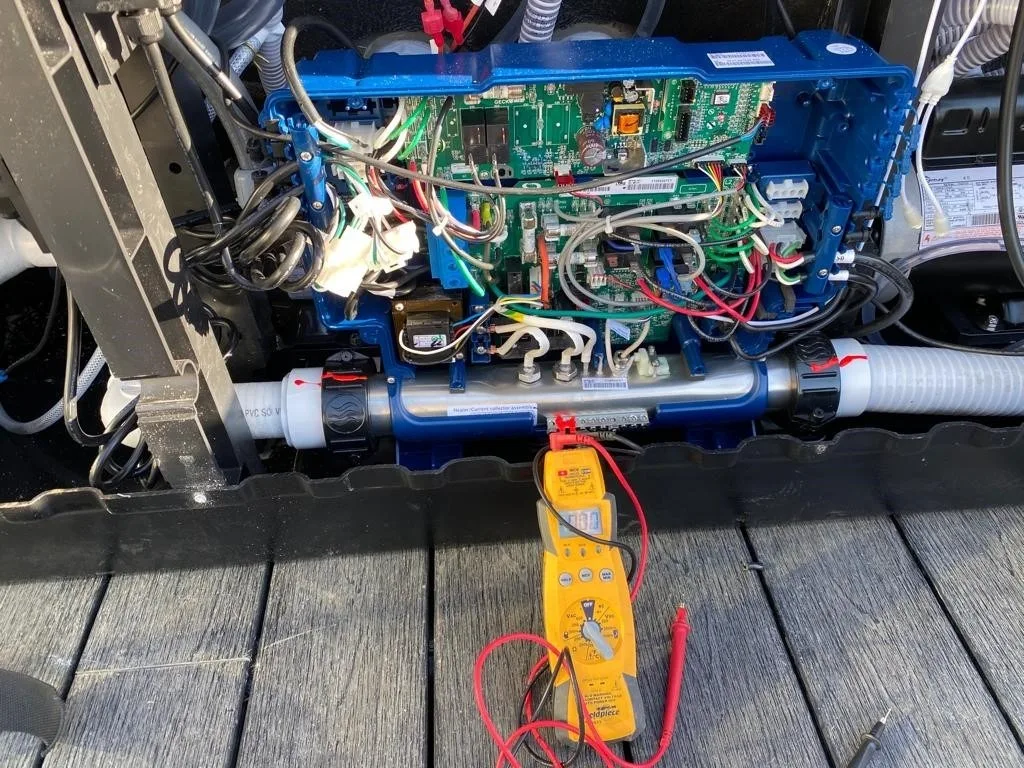
- Check for loose or corroded wiring and repair any damaged connections.
- Inspect conduit and weatherproofing for outdoor installations to prevent water damage.
Troubleshooting Common Electrical Issues
If your breaker keeps tripping, it could be due to:
- Overloaded circuits
- A short circuit
- A failing GFCI breaker
If your hot tub isn’t heating properly, possible causes include:
- A faulty thermostat or heating element
- Loose or disconnected wiring connections
- An issue with the breaker or power supply
If something isn’t working as it should, let us know—we can troubleshoot electrical issues and get your system back up and running safely.
Why Hire a Professional for Hot Tub & Spa Electrical Installation?
Many homeowners attempt DIY installations, only to encounter failed inspections, frequent breaker trips, or even fire hazards. Improper wiring, incorrect breaker sizing, or a lack of GFCI protection can create serious safety risks.
The Benefits of Hiring a Licensed Electrician
Hiring a professional from AB Electrical Services ensures that all electrical work meets NEC standards and passes inspection, preventing fines and costly rework. Proper grounding and bonding techniques eliminate electrical hazards, ensuring a safe operating environment. Upgrading the panel correctly and choosing the right breaker sizing helps maintain long-term reliability, so your hot tub, spa, or sauna operates efficiently without tripping circuits or overloading your home’s electrical system.
Our team has extensive experience with hot tub, spa, and sauna installations. We ensure everything is wired correctly, meets safety codes, and operates efficiently—so you can enjoy your relaxation space without worry.
Enjoy Your Hot Tub or Sauna with Confidence
A properly installed electrical system ensures your hot tub, spa, or sauna runs safely and efficiently for years to come. Meeting NEC requirements, securing permits, and hiring an expert team will protect your investment and your home.
If you’re ready to install a new hot tub or sauna, give our experts at AB Electrical Services a call. We’ll make sure your setup is done right the first time, so you can relax with confidence.
Frequently Asked Questions
Do I need a dedicated electrical circuit for my hot tub or sauna?
Yes, most hot tubs and saunas require a dedicated electrical circuit to ensure safe and efficient operation. Hot tubs typically need a 240-volt circuit with a specific amperage, often between 50 and 60 amps, depending on the model. Saunas may require either a 120-volt or 240-volt circuit, depending on the heater size and model. Consulting the manufacturer’s specifications and hiring a licensed electrician is essential to determine the exact requirements and to ensure compliance with local electrical codes.
What is GFCI protection, and is it necessary for hot tubs and saunas?
GFCI stands for Ground Fault Circuit Interrupter, a safety device designed to quickly cut off power in case of ground faults, significantly reducing the risk of electrical shock. GFCI protection is mandatory for hot tub installations and is highly recommended for saunas, especially those with electrical heating elements. The GFCI can be installed at the main panel or as part of the disconnect switch.
Can I install the electrical wiring for my hot tub or sauna myself?
While some homeowners may consider DIY installations, it’s strongly recommended to hire a licensed electrician for wiring hot tubs and saunas. Proper installation ensures compliance with the National Electric Code (NEC) and local regulations, prevents potential hazards like electrical shocks or fires, and protects your investment. Incorrectly wiring a hot tub can cause inconvenient issues like tripping breakers or, in worst-case scenarios, damage to your spa.
Request a Quote
Fill out the form below and a member of our team will reach out to you as soon as possible