
Hot Tub, Spa & Sauna Permits, Code Compliance, and Inspections
Learn More About Our Hot Tub, Spa, and Sauna Electrical Installation Services
Related Articles
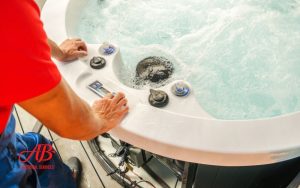

Ensuring Your Hot Tub, Spa, or Sauna Meets Safety Standards
You’ve invested in the perfect hot tub, spa, or sauna—your personal retreat from stress. But before you can enjoy it, you run into a frustrating roadblock: permits, electrical codes, and inspections. What do you need? How do you avoid fines or safety violations? Many homeowners unknowingly skip crucial steps, leading to costly fixes, failed inspections, or even electrical hazards.
AB Electrical Services specializes in code-compliant electrical installations to ensure your hot tub, spa, or sauna is safe, efficient, and meets all legal requirements. Here’s what you need to know to pass inspections, avoid penalties, and protect your investment.
Why Permits and Code Compliance Matter for Hot Tubs, Spas, and Saunas
Skipping permits or ignoring electrical codes can have serious consequences, including:
- Legal risks—Unpermitted work can result in fines, forced removal, or denied insurance claims.
- Safety hazards—Improper wiring can lead to electrical shocks, fires, or equipment failure.
- Resale complications—A home inspection may uncover unpermitted electrical work, delaying or preventing a sale.
Complying with electrical codes ensures that your hot tub, spa, or sauna operates safely and meets the highest standards for long-term reliability.
When Do You Need a Permit for a Hot Tub, Spa, or Sauna Installation?
Many homeowners assume they can install a hot tub or sauna without a permit, but most jurisdictions require one for any new electrical work.
Residential vs. Commercial Permit Requirements
- Residential installations often require permits for new electrical circuits, wiring upgrades, and GFCI breaker installations.
- Commercial installations have stricter regulations, requiring inspections at multiple stages to ensure compliance with local building codes.
What Electrical Work Requires a Permit?
- Installing a dedicated circuit for a 240V hot tub or sauna heater
- Upgrading an electrical panel to accommodate the new power load
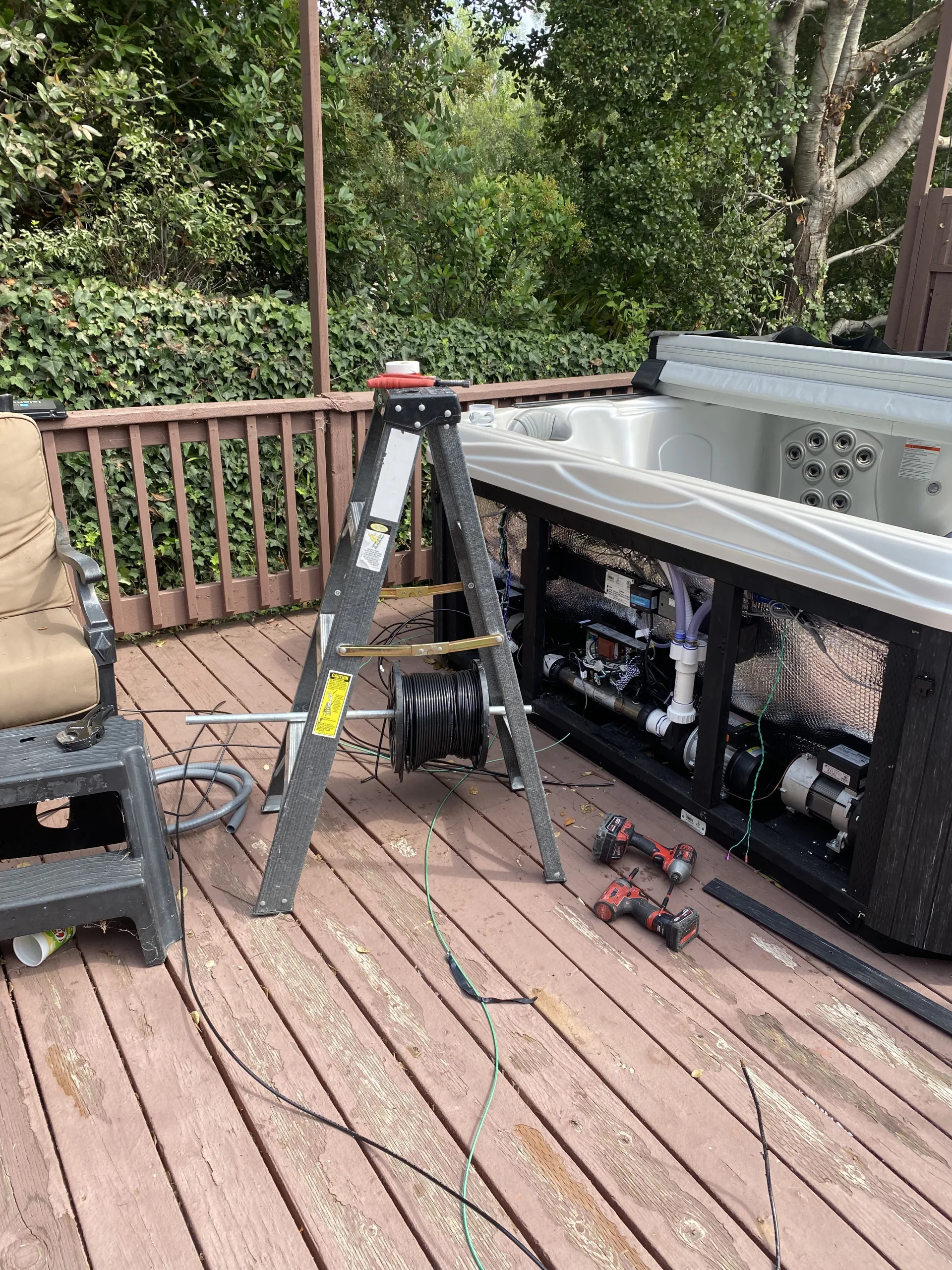
- Running underground wiring for an outdoor installation
- Adding GFCI protection for safety compliance
If you install a hot tub or sauna without a permit, you may be required to remove it or pay hefty fines. Additionally, unpermitted work could void your homeowner’s insurance coverage if an electrical issue arises.
Key Electrical Code Compliance Rules
The National Electrical Code (NEC) outlines essential safety requirements for hot tubs, spas, and saunas, including:
GFCI Protection: Why It’s Required
Because hot tubs and spas combine water and electricity, they must be GFCI-protected to prevent electrocution. A GFCI breaker automatically shuts off power if an electrical imbalance is detected.
AB Electrical Services ensures:
- Proper GFCI placement at least five feet away from water sources, per NEC regulations.
- Outdoor GFCI enclosures to protect against moisture damage.
- Testing and verification to confirm safe operation.
Outdoor vs. Indoor Installations: Code Differences
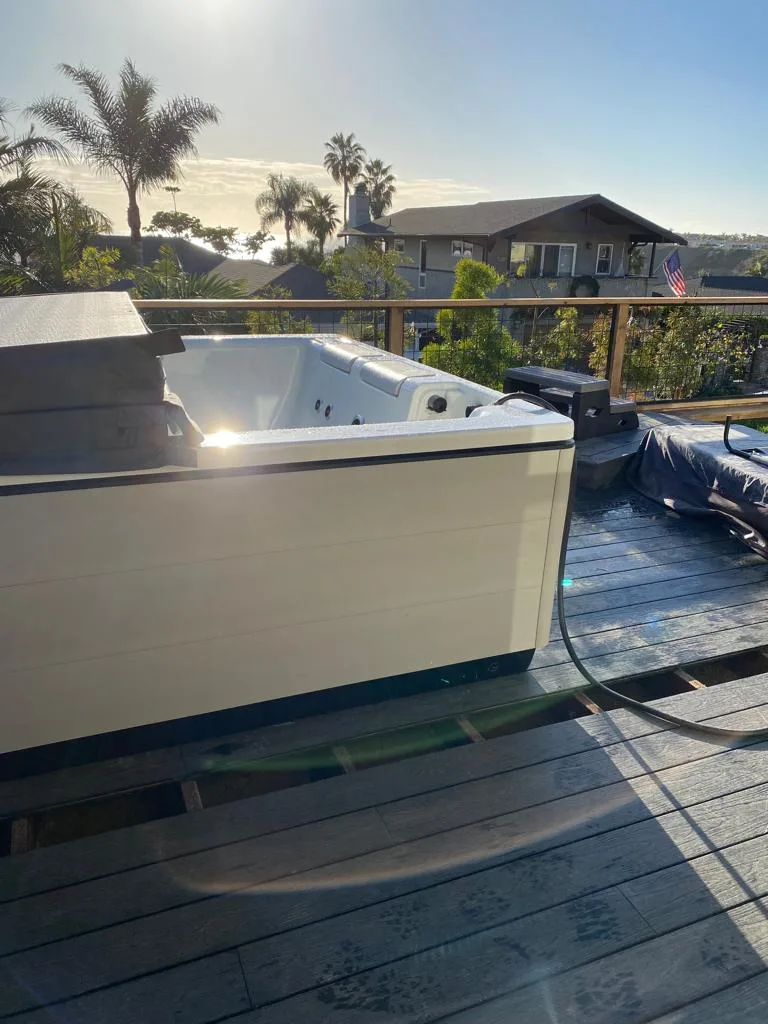
- Outdoor installations require weatherproof wiring, conduit, and moisture-sealed connections.
- Indoor saunas and spas must include proper ventilation and heat-resistant wiring to prevent electrical hazards.
Incorrect installations often fail electrical inspections, requiring costly rework to meet compliance standards.
Understanding the Inspection Process
What Inspectors Look for in Hot Tub, Spa, and Sauna Installations
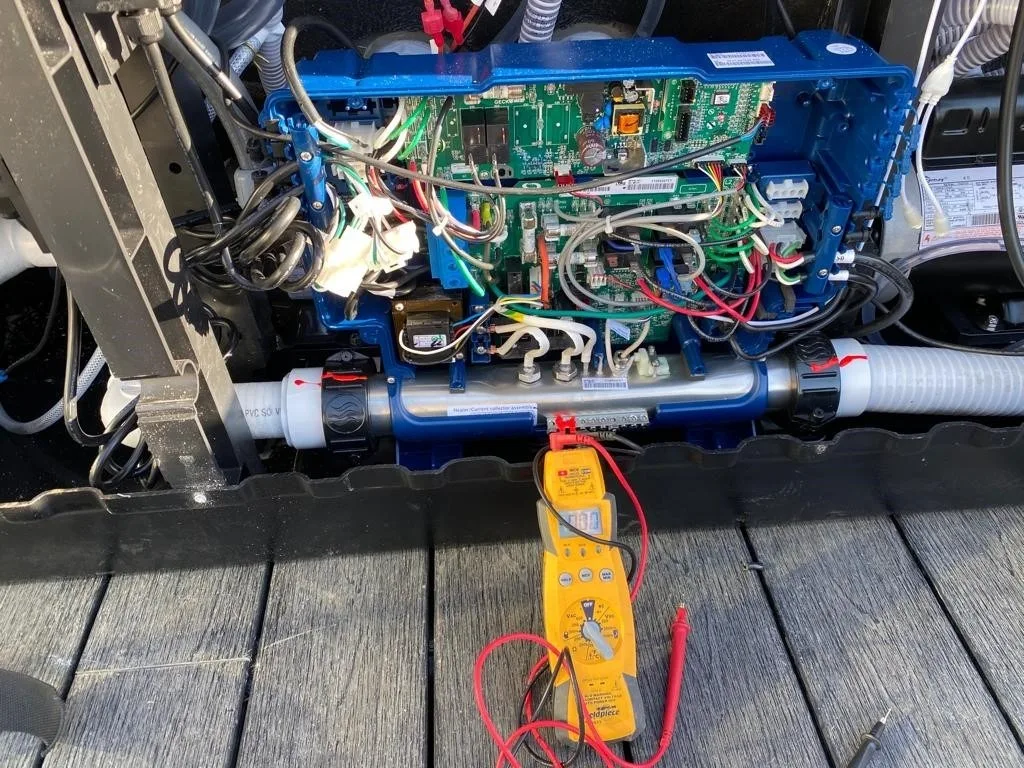
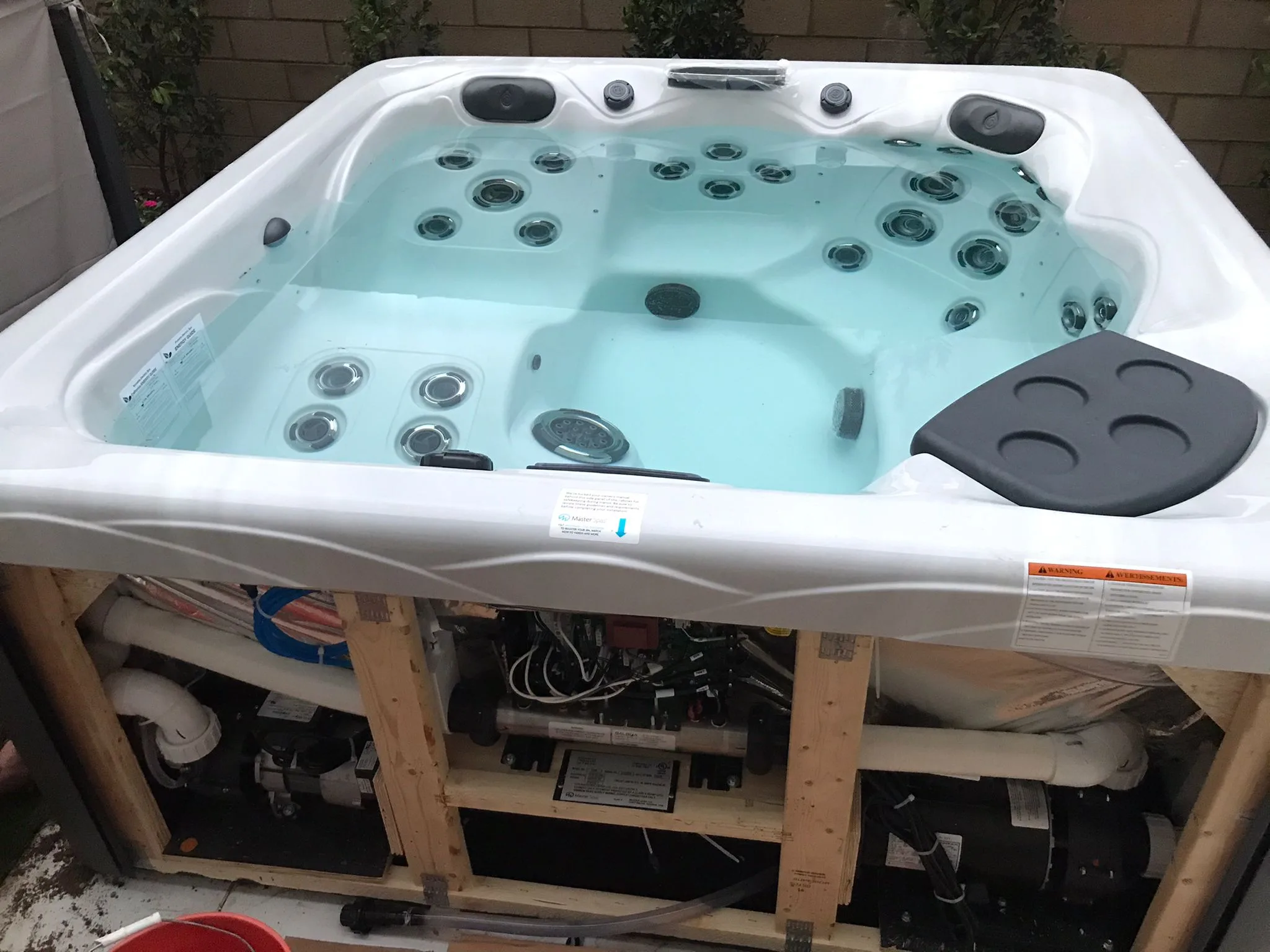
Passing an electrical inspection requires careful attention to detail and strict adherence to safety standards. Inspectors evaluate several key aspects of your installation, ensuring that circuit sizing matches the electrical load to prevent overheating. They check for proper GFCI protection, verifying that a correctly installed breaker will shut off power in case of a fault. For outdoor installations, weatherproofing is essential, and inspectors will confirm that all electrical components are sealed and protected from moisture. Proper bonding and grounding are also critical, as they prevent stray electrical currents and ensure a safe operating environment.
Why Installations Fail Inspections & How to Avoid It
Many homeowners and inexperienced electricians make common mistakes that result in failed inspections and costly rework. One of the most frequent issues is undersized wiring, which can cause overheating and system malfunctions. Improper bonding and grounding increase the risk of electric shocks, while incorrect placement of disconnect switches can violate NEC codes by being too close to water. With AB Electrical Services, these concerns are eliminated. Every installation is completed according to code requirements, ensuring compliance and preventing unnecessary delays or additional expenses.
Preparing for a Smooth Inspection
A well-prepared installation process helps avoid delays and last-minute issues. Scheduling the inspection in advance prevents project hold-ups, while having all necessary permits and documentation ready for review ensures a seamless process. Working with a licensed electrician guarantees compliance with electrical codes and minimizes the risk of failures. By taking these steps, homeowners can be confident that their hot tub, spa, or sauna installation will pass inspection without unnecessary complications.
Why Hiring a Licensed Electrician Matters
Some homeowners attempt to install hot tubs and saunas themselves, only to face costly rework, safety risks, and failed inspections. AB Electrical Services handles everything from permit applications to final inspections, ensuring your installation is done right the first time. Fixing code violations later can cost thousands, making professional installation a smarter and safer investment.
Expert Hot Tub & Sauna Installations That Meet Code
Installing a hot tub, spa, or sauna requires more than just plugging it in—it must meet electrical codes, pass inspections, and be wired safely. By securing permits, following NEC standards, and hiring a licensed electrician, you protect your home, your investment, and your safety.
If you’re planning a hot tub or sauna installation, call our experts at AB Electrical Services to take the stress out of the process. We handle everything from permitting to inspection so you can enjoy your new relaxation space with confidence.
Frequently Asked Questions
Do I need a permit to install a hot tub or spa at my home?
Yes, most local building authorities require permits for installing hot tubs or spas, especially when electrical work is involved. This ensures that the installation complies with safety standards and building codes. Failure to obtain the necessary permits can result in fines, forced removal, or denied insurance claims.
What are the common electrical code requirements for hot tub installations?
Key electrical code requirements for hot tubs include:
- Ground-Fault Circuit Interrupter (GFCI) Protection: All outlets supplying power to hot tubs must have GFCI protection to prevent electrical shocks.
- Proper Wiring Methods: Approved wiring methods must be used within specific distances from the hot tub to ensure safety.
- Bonding and Grounding: All metallic components near the hot tub must be properly bonded and grounded to eliminate electrical hazards.
What are common reasons for failing an electrical inspection for a hot tub installation?
Common reasons for failing an electrical inspection include:
- Missing or Improperly Located Emergency Shutoff Switch: An emergency shutoff switch is required and must be correctly positioned.
- Improper Bonding and Grounding: Failure to properly bond and ground metallic components can lead to electrical hazards.
- Incorrect Wiring Methods: Using unapproved wiring methods or materials can result in code violations.

Request a Quote
Fill out the form below and a member of our team will reach out to you as soon as possible