
How to Choose the Right Ceiling Fan for Your Home
Learn More About Our Ceiling Fan Services
Related Articles
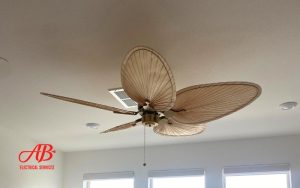


Transform Your Home with the Perfect Ceiling Fan
Imagine this: It’s the middle of summer, and your AC is running non-stop, but your home still feels stuffy and uncomfortable. Or maybe it’s winter, and you’re cranking up the heat, but some rooms still feel cold and drafty. What if there was a simple, energy-efficient solution to improve air circulation, enhance comfort, and even lower your energy bills?
A properly installed ceiling fan does more than just move air—it transforms your home’s comfort, style, and efficiency. But choosing the right one can be overwhelming. What size do you need? How high should it be mounted? Do you need a remote control? Should it be hardwired?
At AB Electrical Services, we know that the right ceiling fan can make all the difference. This expert-driven guide will help you choose the perfect ceiling fan for your space, ensuring you get the best performance, energy savings, and aesthetic appeal.
Why a Ceiling Fan is a Must-Have Home Upgrade
The Benefits of Ceiling Fans for Energy Efficiency, Comfort, and Aesthetics
Ceiling fans are more than just a decorative fixture—they improve airflow, regulate temperatures, and enhance the ambiance of a room.
– Lower energy bills by reducing reliance on AC and heating
–Improve comfort year-round by circulating warm and cool air
–Enhance room aesthetics with stylish designs
–Reduce humidity levels in warm climates
–Increase home value with modern, functional upgrades
How Ceiling Fans Help Lower Cooling and Heating Costs
- In summer, ceiling fans create a wind-chill effect, making you feel cooler without lowering the thermostat.
- In winter, reversing the fan direction pushes warm air down, reducing the need for heating.
- Using a ceiling fan alongside HVAC systems can reduce energy costs by up to 30%.
Indoor vs. Outdoor Ceiling Fans: What’s the Difference?
- Indoor fans are designed for climate-controlled spaces, offering a variety of styles and sizes.
- Outdoor fans are built to withstand moisture and humidity, with damp-rated models for covered patios and wet-rated models for exposed areas.
How to Choose the Right Ceiling Fan for Your Space
Size Matters: Matching the Blade Span to Room Size
Selecting the correct blade span ensures optimal airflow and efficient operation.
Room Size | Recommended Fan Size |
Up to 75 sq. ft. (e.g., small bedrooms, bathrooms) | 29″–36″ fan blades |
76–144 sq. ft. (e.g., guest rooms, kitchens) | 36″–42″ fan blades |
144–225 sq. ft. (e.g., master bedrooms, dining rooms) | 44″–50″ fan blades |
Over 225 sq. ft. (e.g., large living rooms, patios) | 52″–60″+ fan blades |
Mounting Options: Standard, Flush-Mount, or Downrod?
- Standard mount: Works for ceilings 8–10 feet high.
- Flush-mount (Hugger fans): Ideal for low ceilings (below 8 feet).
- Downrod mount: Required for high ceilings (above 10 feet) to ensure optimal airflow.
Choosing the Right Motor: AC vs. DC Motors for Performance & Efficiency
- AC motors: More common, cost-effective, and reliable.
- DC motors: More energy-efficient, quieter, and allow for more speed settings.
Blade Pitch and Materials: Why It Impacts Airflow and Durability
- Blade pitch (angle of blades) should be 12–15 degrees for optimal airflow.
- Wood blades: Stylish but not ideal for humid areas.
- Plastic blades: Lightweight and moisture-resistant.
- Metal blades: Best for large spaces with high airflow needs.
Smart Ceiling Fans: Integration with Home Automation and Remote Controls
- Wi-Fi-enabled fans allow for remote operation via smartphone apps.
- Smart home compatibility integrates with Alexa, Google Assistant, or Apple HomeKit.
- Remote controls & wall switches add convenience for easy speed and lighting adjustments.
Preparing for Ceiling Fan Installation
Electrical Requirements: Do You Have the Right Wiring and Support?
Ceiling fans need a fan-rated electrical box for safe installation. If replacing a light fixture, ensure the wiring can handle the added load. Smart fans may require extra wiring or Wi-Fi setup.
Ceiling Height and Fan Placement for Optimal Performance
Fans should be at least seven feet above the floor, with eight to nine feet being ideal. For vaulted ceilings, a downrod extension may be needed.
Can You Install It Yourself, or Should You Hire a Pro?
DIY installation is possible if you’re comfortable with wiring and mounting. Hiring a professional ensures safety, proper wiring, and code compliance.
The Ceiling Fan Installation Process (Step-by-Step)
Step 1: Mounting the Ceiling Bracket Securely
- Turn off power at the circuit breaker.
- Install a fan-rated mounting bracket to support the weight.
Step 2: Wiring the Fan to the Existing Electrical System
- Connect the black (hot), white (neutral), and green (ground) wires properly.
- Ensure secure wire connections with wire nuts.
Step 3: Attaching Blades and Balancing the Fan for Smooth Operation
- Attach blades using the correct hardware to avoid wobbling.
- Use a balancing kit if necessary.
Step 4: Final Testing and Troubleshooting Common Issues
- Turn on power and test all speed settings.
- Check for wobbling or motor noise.
- Ensure the fan is rotating in the correct seasonal direction.
Maintenance and Troubleshooting
How to Keep Your Ceiling Fan Running Smoothly
Regular maintenance extends the life of your fan. Clean the blades monthly to prevent dust buildup, which can affect balance and airflow. Tighten screws annually to prevent wobbling and ensure all components stay secure.
Fixing Wobbling, Noisy, or Slow-Moving Fans
If the fan wobbles, check blade alignment and tighten mounting screws. Noisy operation may indicate the need for motor lubrication. If the fan is running slow or not turning on, inspect the wiring connections and ensure they are secure.
When to Replace vs. Repair a Ceiling Fan
A failing motor or persistent noise often signals the need for a replacement. If the fan isn’t responding to speed settings, checking and replacing the capacitor may solve the issue. Fans over ten years old may lack energy efficiency and could benefit from an upgrade for better performance and safety.
Find the Perfect Ceiling Fan with AB Electrical Services
The right ceiling fan can enhance comfort, save energy, and complement your home’s style. By choosing the correct size, mounting type, and features, you’ll enjoy better airflow and year-round comfort. A professionally installed fan ensures optimal performance, safety, and long-term reliability.
Need help selecting and installing the perfect ceiling fan? Contact AB Electrical Services for expert recommendations and professional installation!
Frequently Asked Questions
1. What size ceiling fan do I need for my room?
Selecting the appropriate ceiling fan size is crucial for optimal airflow and efficiency. The fan’s blade span should correspond to your room’s square footage:
- Up to 75 sq. ft.: 29″–36″ fan blades
- 76–144 sq. ft.: 36″–42″ fan blades
- 144–225 sq. ft.: 44″–50″ fan blades
- Over 225 sq. ft.: 52″–60″+ fan blades
Choosing the right size ensures effective air circulation and enhances the room’s comfort.
2. How does ceiling height affect ceiling fan selection?
Ceiling height significantly influences the type of mounting system you should use for your fan:
- Low ceilings (less than 8 feet): Opt for flush-mount or “hugger” fans that install directly against the ceiling to maintain adequate headroom.
- Standard ceilings (8–9 feet): Standard mounts with a short downrod are suitable.
- High or vaulted ceilings (above 9 feet): Fans with longer downrods help position the blades at the optimal height of 8–9 feet above the floor for efficient airflow.
Proper fan placement ensures safety and maximizes performance.
3. What are the benefits of choosing a ceiling fan with a DC motor over an AC motor?
Ceiling fans come with either AC (alternating current) or DC (direct current) motors, each offering distinct advantages:
- Energy Efficiency: DC motors consume up to 70% less energy than AC motors, leading to lower electricity bills.
- Performance: DC motors provide higher torque, resulting in faster startup and more efficient operation.
- Noise Level: DC motors operate more quietly, making them ideal for bedrooms and living areas.
- Control: Fans with DC motors often offer more speed options and smoother operation.
While DC motor fans may have a higher upfront cost, their long-term energy savings and enhanced performance can be beneficial.




Request a Quote
Fill out the form below and a member of our team will reach out to you as soon as possible