
Clear expert-backed steps for dangerous electrical situations

You smell burning plastic. You see a flicker of smoke. Your heart skips a beat—is this a fire, or just a tripped breaker?
This is the moment every Orange County homeowner and business owner dreads. The fear of overreacting battles with the fear of not acting fast enough. And in those seconds, the wrong decision—hesitating, ignoring the smell, or calling the wrong number—can cost your safety, your home, or your peace of mind.
At AB Electrical Services, we’ve helped hundreds of clients through these moments. This guide gives you the clarity you need to take action—when to call 911, when to call an electrician, and how to stay safe until help arrives.
Why Acting Fast Matters
Electrical issues can escalate in seconds. The difference between a manageable repair and a dangerous fire often comes down to how quickly you respond.
Why speed matters:
- Electrical fires can double in size every 30 seconds once ignited
- Smoke inhalation becomes hazardous within 2–3 minutes
- Electrical arcing can leap through air, igniting insulation or drywall
- Overheated wiring can smolder for hours before igniting—often undetected
Most delays happen because people aren’t sure who to call.
That hesitation can mean the difference between safety and disaster.
Identifying Critical Warning Signs
Electrical problems often start with small, overlooked signs. These are the top early warnings you should never ignore:
Burning Smells
A burning plastic or “hot metal” smell is usually the sign of:
- Melting insulation behind outlets or in walls
- Overheating appliances pulling too much current
- Internal arcing inside your panel or breaker box
If you smell burning and can’t find the source, assume it’s behind the wall. Call immediately.
Smoke From Outlets, Panels, or Appliances
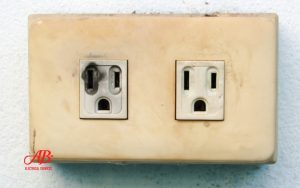
Any visible smoke is an emergency. Common causes include:
- Loose wires overheating behind outlets
- Water exposure in panels or junction boxes
- Appliance failure under heavy load
Even small wisps of smoke mean something is actively burning.
Sparks or Arcing
Frequent or visible sparking signals live faults in your system. Watch for:
- Flashes from the panel or breakers
- Sparks when plugging into outlets
- Arcing sounds (crackling or popping) behind walls
Repeated sparking or arcing is never normal and always dangerous.
When to Call 911 Immediately
Some electrical events are too dangerous to wait for a technician. Use this chart to know when emergency responders should be your first call:
Situation | Call 911 First |
Visible flames from an outlet or panel | Yes |
Thick smoke filling a room | Yes |
Continuous sparking or arcing from wiring | Yes |
Downed power lines on or near your property | Yes |
Hot walls, panels, or outlets with smoke smell | Yes |
- Get everyone out of the building immediately
- Do not use water on electrical fires
- Avoid touching or unplugging anything near smoke or sparks
- Close doors behind you to contain smoke
- Stay at a safe distance and call AB Electrical after the scene is secure
When to Call an Emergency Electrician
Not every event requires fire response—but that doesn’t mean it’s safe to wait. These scenarios require same-day emergency service from a licensed electrician:
Burning Smells With No Visible Flames
Lingering odor is often the first sign of an internal wiring issue or failed connection.
Intermittent Sparking at Outlets or Switches
If you see brief flashes when plugging or switching devices, you may have worn or damaged wiring.
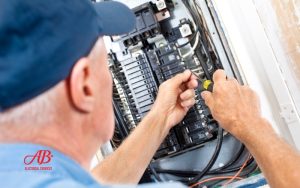
Overheating Panels or Breakers
Your breaker panel should never feel hot. Heat buildup signals a failing breaker, bad connection, or overload.
Breakers That Won’t Reset
When a breaker immediately trips again after resetting, it means the circuit has a fault. Forcing it can lead to fire.
AB Electrical’s Emergency Response Process
We take every emergency call seriously—whether it’s a clear hazard or just “something doesn’t feel right.” Here’s what to expect when you contact AB Electrical Services during business hours:
Phone Triage With a Licensed Technician
Our team listens for red flags, walks you through safe steps (if possible), and determines whether same-day dispatch is required.
Same-Day On-Site Arrival (Business Hours)
We prioritize emergency requests and work to dispatch licensed electricians to your home or business that same day.
Immediate Safety Containment
Our electricians identify and isolate the affected circuit or component, removing the risk of further damage or fire.
Temporary Repairs & Stabilization
When full repairs can’t be completed on the spot, we apply safe, NEC-compliant temporary fixes and schedule next-day service.
Free 47-Point Electrical Safety Audit
Included with every emergency visit, this detailed system check identifies other potential hazards—and helps prevent future emergencies.
Preventing the Next Emergency
Most emergencies show signs beforehand. Burn marks, warm outlets, buzzing panels, tripping breakers—all of these are warnings.
Here’s how to stay ahead:
- Schedule safety inspections every 3–5 years for homes, annually for commercial spaces
- Upgrade panels older than 25–30 years or rated under 100 amps
- Install AFCI breakers to detect arcing before it sparks
- Use surge protection at the panel level for the whole home or business
- Ensure GFCIs are installed in bathrooms, kitchens, laundry areas, garages, and outdoor outlets
- Train staff or household members to recognize electrical hazards early
What’s in the 47-Point Electrical Safety Audit?
- Temperature scanning of panel and circuit loads
- Inspection of GFCI and AFCI protection
- Evaluation of outlet condition and grounding
- Load balancing analysis
- Moisture and corrosion detection
You don’t need to be an electrician—we’re here to spot the risks for you and fix them before they become emergencies.
What to Remember If You’re Unsure
If you’re second-guessing whether it’s serious—it probably is. That gut feeling matters.
Here’s a simple rule:
- Call 911 if you see flames, heavy smoke, or arcing power lines.
- Call AB Electrical if you smell burning, hear buzzing, or suspect a panel, breaker, or outlet is overheating.
We’ll help you triage the situation, arrive same-day if needed, and ensure your home or business is safe before nightfall. Your safety isn’t something we leave to chance.