
Why quick fixes can turn into fire hazards—and what to do instead

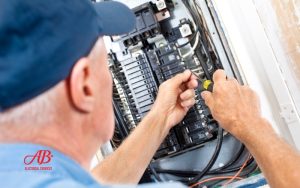
The power goes out. You smell something burning. Maybe you see sparks—or your breaker just won’t stay on. You don’t want to wait, and calling an electrician feels like it’ll take too long. So you grab a screwdriver and start “checking things out.”
It’s a moment every professional electrician fears—because this is when curiosity and urgency collide with danger.
At AB Electrical Services, we’ve seen well-meaning homeowners in Orange County take electrical emergencies into their own hands, only to end up worsening the problem—or nearly starting fires. This guide exposes the hidden dangers of DIY electrical repairs during emergencies, explains why even simple fixes can be catastrophic, and offers safe, professional alternatives that protect both your home and your family.
Why DIY Electrical Work Feels Tempting in the Moment
Stress and the need for control
When something goes wrong in your home, your instinct is to act. You want to regain control. Unfortunately, that urgency makes electricity uniquely dangerous—it’s invisible, fast, and unforgiving.
“It’s probably just the breaker”
That’s one of the most common assumptions electricians hear after an emergency call. Many homeowners flip breakers repeatedly or swap fuses, thinking it’s harmless. In reality, those breakers may be tripping because of overloaded circuits, damaged wiring, or hidden heat buildup.
Misinformation online
YouTube tutorials and forums can make electrical work look simple. But what’s not shown are the context, the risks, and the codes professionals must follow. Home wiring varies by decade, jurisdiction, and load type—one wrong move can bypass safety mechanisms built into your system.
What Can Go Wrong: Real Risks of DIY Electrical Fixes
Electric shock, fire, and arc flash hazards
Electric shock can occur in a fraction of a second, even from low-voltage circuits. In emergencies involving moisture or damaged insulation, the danger increases exponentially. Arc flashes—a burst of heat and light from a fault—can reach temperatures over 35,000°F.
Mistaking cause for symptom
A tripped breaker or flickering light might be a symptom, not the root cause. Resetting or rewiring without diagnosing can hide deeper issues like overloaded circuits, shorted wiring, or failing components.
Damage to your electrical system
DIY “repairs” often lead to melted breakers, overloaded panels, or destroyed appliances. Once these systems are compromised, the cost of professional repair increases significantly—and the safety of your home may be permanently reduced.
Legal and insurance consequences
Unlicensed electrical work can void homeowners insurance. If a fire occurs after a DIY repair, insurers can deny coverage entirely. Electrical work must comply with California Building and Electrical Codes, which require licensed professionals for all high-risk repairs.
High-Risk Scenarios Where DIY Is Especially Dangerous
These are situations where touching or tampering with your system can cause severe harm:
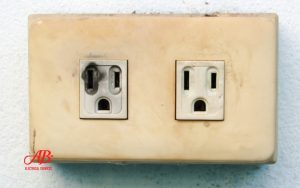
- Burning smells or visible sparks – Indicate active arcing or overheating; the risk of ignition is immediate.
- Wet outlets or flooded panels – Water conducts electricity and can electrify metal surfaces.
- Repeated breaker trips or melted components – Suggest damaged wiring or failing breakers that could explode under pressure.
- Older homes with outdated wiring – Systems using aluminum, cloth, or knob-and-tube wiring are fragile and unsafe to touch without specialized testing.
If any of these occur, stop immediately and call AB Electrical. We handle same-day emergencies safely during business hours, with equipment designed to detect hidden danger before it escalates.
How Professional Emergency Electricians Handle These Situations
Visual and thermal diagnostics
We don’t guess. Our electricians use:
- Thermal imaging cameras to detect overheating inside walls
- Load analyzers to find overloaded circuits
- Voltage meters and GFCI testers to isolate faults
Safe shutdown and isolation protocols
Before touching anything, professionals ensure circuits are de-energized and isolated. This prevents chain reactions that cause secondary faults or shocks.
Repair vs. replacement triage
We determine whether components can be repaired safely or if full replacement is needed. In emergencies, temporary containment may be used until full code-compliant repairs are completed.
47-Point Electrical Safety Audit
After the immediate hazard is resolved, we perform a detailed system audit to check grounding, insulation, and load balance—preventing the next emergency before it starts.
What You Can Safely Do While You Wait for Help
If you’ve already called an electrician, here’s what you can do safely while waiting for arrival:
- Shut off appliances in affected areas if it’s safe to reach them without touching damaged outlets.
- Turn off the main breaker if you see smoke, hear popping, or smell burning—and only if the panel is dry and you’re standing on a dry surface.
- Keep people and pets away from any suspect outlets, cords, or the panel area.
- Document what you notice—smells, flickers, sounds, or what devices were on when it started. This helps your electrician diagnose faster.
- Avoid YouTube repairs or DIY advice—call AB Electrical for real-time guidance and same-day response during business hours.
Why Professional Help Is the Only Safe Option
Electricity doesn’t allow mistakes. Even experienced DIYers are unprepared for how quickly voltage, current, and heat interact during an emergency. Licensed electricians are trained to detect unseen hazards and fix them under code-safe, grounded conditions.
At AB Electrical Services, every emergency call is handled by licensed professionals who bring the right equipment, expertise, and empathy to keep your home safe. You don’t have to risk your life—or your property—trying to save time or money.
If something sparks, smells, or won’t reset, don’t guess. Step back and call AB Electrical. We’ll arrive same-day during business hours to stabilize your home, assess the risk, and restore power safely.