
Your step-by-step plan for staying safe, restoring power, and knowing when to call for help

The lights go out in half your house. You head to the panel, find the tripped breaker, flip it back on—then click, it trips again. Now the power’s still out, the breaker won’t reset, and you’re wondering: Is this dangerous, or just annoying?
This is one of the most common emergency calls we receive at AB Electrical Services—and one of the most misunderstood. For homeowners in Orange County, a breaker that won’t reset or power loss in part of the home isn’t just inconvenient. It could signal a hidden overload, melted wire insulation, or even a slow-building fire hazard behind the walls.
This guide walks you through safe, step-by-step troubleshooting, shows you when to stop and call for help, and explains how AB Electrical restores power and peace of mind—usually the same day during business hours.
What These Electrical Issues Usually Mean
Why a Breaker Won’t Reset
A breaker is designed to trip (shut off) when it detects:
- Too much current on a circuit (overload)
- A direct fault (short circuit)
- Heat from damaged wiring or a failing breaker itself
When it won’t reset, something deeper is likely wrong. Forcing it repeatedly is unsafe and can damage the panel.
What Causes Power Loss in Half the House
Partial power loss is often traced to:
- A failed main breaker leg
- A loose or burnt connection inside the panel
- A utility-side issue affecting one side of the 240V feed
It can also mean multiple tripped breakers or one circuit carrying too much load, affecting others downstream.
When It’s More Than Just a Nuisance
If you’re experiencing:
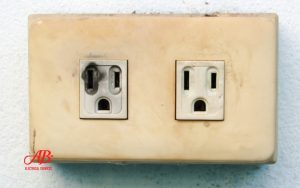
- A burning smell
- Buzzing from outlets or your panel
- Discoloration or heat at the breaker
Then you may have overheating wires, a melted terminal, or arcing behind the wall—a fire risk.
Safe Troubleshooting Steps You Can Take at Home
If you’re confident the issue isn’t dangerous (no burning smell, no visible damage), here’s what you can safely do:
Step 1 – Unplug All Devices on the Affected Circuit
A faulty appliance or too many devices could be the cause. Unplug everything from outlets in the affected area.
Step 2 – Reset the Breaker Properly
Push it fully to OFF, then firmly to ON. If it clicks and holds, check your devices one at a time.
Step 3 – Look and Smell for Warning Signs
Inspect outlets, plugs, and the panel for:
- Burn marks
- Unusual heat
- Melting plastic odor
If anything feels hot or smells off—stop and call.
Step 4 – Test Nearby Outlets and Breakers
Is the problem isolated to one room or a full side of the house? This helps diagnose whether it’s a single circuit or a panel issue.
Step 5 – Never Reset Repeatedly
If the breaker keeps tripping, don’t push it again. Repeated resets can spark or ignite overheated wiring.
When It’s Time to Call a Same-Day Electrician
Stop troubleshooting and call for professional help if you notice:
- The breaker trips again immediately, even with everything unplugged
- A burning smell from the panel or nearby outlets
- Flickering or dim lights in parts of the house
- Outlets feel hot or look discolored
These are signs of deeper problems: damaged wiring, arcing, or a failed breaker needing immediate isolation.
Why These Issues Are Common in Older Homes or Panels
Outdated Panel Brands
Panels from brands like Zinsco, Federal Pacific Electric (FPE), or Challenger are known for faulty breakers that fail to trip—or trip and fail to reset. Many of these panels are no longer up to California code.
Modern Load, Old Wiring
Today’s homes use far more electricity than they were built for—chargers, computers, AC units, space heaters. Many older circuits weren’t designed to handle the constant demand.
Inherited DIY Electrical Work
We often find hidden junction boxes, overloaded breakers, or reversed wiring from past unpermitted work.
How AB Electrical Diagnoses and Resolves These Issues
When you call AB Electrical Services during business hours for a same-day emergency, here’s what to expect:
1. Phone-Based Triage
We’ll walk you through what’s happening, help you shut things down safely, and determine whether dispatch is needed immediately.
2. Same-Day On-Site Diagnosis
Our licensed electricians come prepared with:
- Voltage testers
- Thermal scanners
- Load meters
- Spare breakers and safe bypass equipment
3. Containment First, Repair Second
We isolate the problem zone and remove any unsafe connections before moving to a repair. This ensures your home is stable, even if full replacement must wait.
4. 47-Point Safety Audit
With every emergency call, we perform a full audit to catch hidden or future risks:
- Panel temperature scan
- Outlet load check
- GFCI/AFCI validation
- Moisture or corrosion inspection
- Loose or reversed wiring detection
Prevention and Long-Term Fixes
Once your system is safe again, we’ll help you plan for long-term stability. Common upgrades include:
Smart Panel Upgrades
Replacing outdated panels with smart load-sensing panels or higher-capacity systems allows you to run more devices without overload.
GFCI and AFCI Protection
These safety devices shut off power instantly in the event of ground faults or arc faults—catching issues before you see sparks or smell burning.
Routine Inspections and Load Assessments
We recommend:
- Every 3–5 years for homes built after 1990
- Annually for homes over 30 years old
- Any time new appliances, EV chargers, or major equipment are added
If you’ve had power loss or a non-resetting breaker more than once this year, it’s time for a full inspection.
What to Remember If You’re Unsure
If your breaker won’t reset, don’t keep flipping it. That’s not a fix—it’s a symptom. And ignoring it could lead to a far more dangerous, expensive problem.
At AB Electrical Services, we’re here to help you troubleshoot safely, respond quickly during emergencies, and provide peace of mind with real solutions—not guesswork.
We’ll get your lights back on—and keep them on—without putting your family or property at risk.