
Know what sets these emergency responses apart—and why choosing the right electrician matters

The power’s out—but what that means depends on where you are. For a family in a single-family home, it’s a safety concern. For a business in the middle of a workday, it’s lost revenue and halted operations. The stakes, systems, and safety protocols are completely different.
At AB Electrical Services, we understand that an electrical emergency in a home demands comfort, communication, and rapid safety checks for loved ones. In a commercial setting, downtime means money lost, code scrutiny, and potential business disruption. This guide explains the key differences between residential and commercial emergency electrical services—so Orange County property owners know who to call, what to expect, and how AB Electrical tailors each response for maximum safety and speed.
Why Electrical Emergencies Aren’t One-Size-Fits-All
System complexity and load demands
Residential systems are designed for household appliances, typically with single-phase power. Commercial systems use three-phase power to handle high-demand equipment and continuous loads. This difference alone changes how diagnostics, repairs, and safety procedures are performed.
Risk profiles: families vs. employees and customers
At home, the top concern is physical safety—children, seniors, and pets near potentially hazardous outlets or panels. In businesses, it’s operational continuity and worker safety under OSHA and California code requirements.
Legal and operational implications
Commercial spaces face liability for injuries or code violations during electrical failures. For businesses, every hour without power increases costs, especially in food service, retail, and healthcare facilities. Residential clients, meanwhile, face risks to life safety and property damage from fires or shock hazards.
Residential Electrical Emergencies: What Homeowners Face
Common household emergencies
- Tripped or non-resetting breakers
- Burning smells from outlets or panels
- Flickering lights or power loss in part of the home
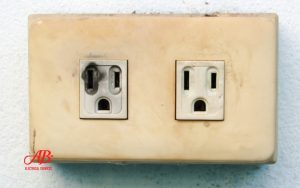
- Scorched outlets or melted wiring
- Water near electrical systems after storms
Emotional and physical impact
Electrical emergencies at home often occur at night or when families are present. Panic sets in quickly—especially with children or elderly relatives. Homeowners want fast answers and reassurance, not technical jargon.
How AB Electrical restores calm and safety
Our same-day emergency response prioritizes:
- Quick safety triage over the phone
- Immediate containment of hazards
- Transparent explanations of what’s wrong and how it’s fixed
- A complimentary 47-Point Electrical Safety Audit after every emergency visit
We know the goal isn’t just restoring power—it’s restoring peace of mind.
Commercial Electrical Emergencies: What Businesses Face
The cost of downtime
When power cuts out mid-shift, the impact is immediate. Production stops, digital systems crash, and revenue losses begin. In restaurants, that means spoiled food; in offices, data interruption; in warehouses, halted logistics.
- Equipment shutdowns from power surges or short circuits
- 3-phase panel faults
- Overloaded circuits from HVAC or machinery
- Faulty transfer switches or backup generators
- Damaged wiring from renovations or leaks
Higher safety and compliance stakes
Commercial emergencies often require compliance with local fire marshals, inspectors, and OSHA safety standards. Business owners must prove that corrective actions meet code before reopening or resuming operations.
AB Electrical’s commercial emergency response
- Rapid same-day scheduling during business hours
- Licensed electricians familiar with 3-phase systems and commercial codes
- Coordination with facility managers, IT vendors, and insurance adjusters
- Documentation for compliance and claims
Key Differences in Tools, Access, and Diagnosis
Aspect | Residential Emergencies | Commercial Emergencies |
Power System | Single-phase, lower voltage | Three-phase, high-load systems |
Common Issues | Breakers, outlets, lighting faults | Panel overload, equipment surges |
Tools Used | Load testers, outlet analyzers | Infrared thermography, power quality meters |
Access Challenges | Indoor panels, limited circuits | Locked rooms, rooftop panels, complex layouts |
Code Requirements | NEC compliance for safety | NEC + OSHA, ADA, and fire codes |
Response Priority | Family safety and reassurance | Operational uptime and documentation |
Different systems require different skills
Residential electricians focus on comfort, safety, and home code compliance. Commercial electricians must understand complex load balancing, power distribution, and multi-system coordination. Sending the wrong type of electrician wastes critical time—and can lead to unsafe or noncompliant repairs.
How AB Electrical Adapts to Each Type of Emergency
Tailored dispatch and expertise
When you call, our team identifies whether the issue is residential or commercial. Then we assign the right technician with the correct tools, certifications, and experience.
Residential Response Focus
- Family communication and reassurance
- Quick containment and visual inspection
- Code-compliant, safe temporary fixes
- Transparent repair recommendations
Commercial Response Focus
- Load stabilization to minimize downtime
- Coordination with facility and IT teams
- Documentation for insurance and compliance
- Same-day containment with follow-up upgrades as needed
Post-Emergency Follow-Up
Every emergency call includes AB’s 47-Point Safety Audit to identify root causes and prevent future failures. For businesses, we include a written report suitable for permitting or insurance records.
Choosing the Right Electrician for the Right Job
Licensing and training requirements
Not every electrician is qualified for both environments. Commercial work requires advanced understanding of 3-phase systems, higher amperage circuits, and stricter safety procedures.
Why residential electricians shouldn’t handle commercial calls alone
Commercial buildings often have complex interconnected systems—backup power, heavy machinery, or specialized breakers—that require specific training. Missteps can cause large-scale failures or void insurance coverage.
How AB Electrical stands apart
- Fully licensed and insured for both residential and commercial work
- Technicians certified in California energy and safety codes
- Local expertise across Orange County city jurisdictions
- Same-day dispatch for homes and businesses during operating hours
Whether it’s a family in a power outage or a business facing downtime, our mission is the same: restore safety, stability, and confidence quickly and professionally.