

How to protect your home and your family before, during, and after water and wind strike

When the storm hits, it’s not just about staying dry—it’s about staying alive. Water and electricity are a deadly mix, and your electrical panel doesn’t care if it’s raining or flooding.
For Orange County homeowners, even a mild storm or flash flood can instantly turn a safe home into a danger zone. At AB Electrical Services, we’ve seen firsthand how quickly water and power create hazards—flooded panels, sparking outlets, and soaked wiring hidden behind walls.
This guide helps you prepare before the storm, stay safe while it’s happening, and recover after. Whether you’re in a coastal neighborhood, a hillside home, or an older property with exposed wiring, these steps can protect your home, your family, and your peace of mind.
Why Storms and Floods Are Dangerous to Your Electrical System
Water and electricity: even small amounts are risky
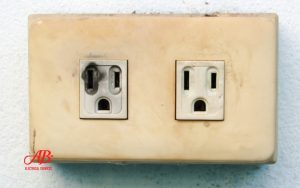
When moisture seeps into outlets, junction boxes, or breaker panels, it creates conductive paths that can short circuits or cause arcing. Even a light mist inside a panel can corrode connections and compromise breakers.
Outdoor panels and garages are especially vulnerable
Many Orange County homes have electrical panels mounted outdoors or in garages—two of the most common areas for water exposure. After heavy rain, we often find:
- Water pooling at the base of outdoor panels
- Corrosion on service entry cables
- Soaked conduits or fittings that have lost their weather seals
Older homes face the greatest risk
Homes with outdated panels or older wiring (especially cloth-covered or aluminum) are more susceptible to water damage. DIY wiring or ungrounded systems can magnify the danger by allowing stray current paths that increase fire or shock risk.
What to Do Before a Storm Hits
- Unplug or turn off non-essential circuits in flood-prone areas
If you have outdoor plugs, basement outlets, or low-mounted garage circuits, turn them off at the breaker before the storm. - Protect outdoor equipment and outlets
Use weatherproof covers on exterior outlets, especially near patios, pools, or garden lights. Wrap plugs in sealed plastic bags if they’re near water sources. - Know your main shutoff location
Familiarize yourself with your home’s main breaker. In a serious emergency, you should be able to reach and switch it off safely. - Schedule a pre-season inspection
If your panel is older than 20 years or exposed to the elements, a quick inspection before storm season can prevent thousands in damage later.
What to Do During the Storm or Flood
Never touch wet outlets or devices—even if the power seems off
Water may conduct residual current or voltage. Stay clear of any damp electrical components.
Watch and listen for warning signs
Be alert for:
- Flickering or dimming lights
- Popping or sizzling sounds near outlets
- Burnt or metallic smells
- Breakers that trip repeatedly
If water enters the panel or outlets, leave immediately and call 911
Do not try to dry or reset anything. If you can safely access the main shutoff without stepping in water, turn it off—but only if it’s safe to do so.
Avoid resetting breakers
Even if power goes out, do not attempt to restore it until a professional inspects the system. Breakers or wiring that have been wet may fail catastrophically when re-energized.
Electrical Recovery After a Disaster
Once the storm passes, don’t rush to turn the power back on. Water damage can linger—and often hides behind walls or inside the panel.
How AB Electrical evaluates storm and flood damage
We start with a full visual and diagnostic inspection to locate:
- Waterlogged breakers or corrosion inside panels
- Damaged insulation on conductors
- Burned or arced connections caused by moisture
When panels or outlets must be replaced
If electrical components were submerged, replacement is almost always required. Moisture corrosion can compromise safety even after drying. We follow NEC and manufacturer standards for all replacements.
Working with insurance and permits
AB Electrical provides full documentation of damage and repairs, including thermal images and panel readings. We work with city inspectors and your insurance company to ensure a smooth claim and quick recovery.
Why our 47-Point Electrical Safety Audit matters most after storms
Our comprehensive audit identifies hidden risks, including:
- Damp connections deep inside conduits
- Partially shorted GFCIs
- Ground integrity problems caused by erosion or corrosion
We help ensure your system is safe and storm-ready moving forward.
Long-Term Prevention and Smart Upgrades
The best time to protect your home from electrical storm damage is before it happens.
Whole-home surge protection
Installing surge protection at the main panel shields your home from lightning-induced power surges and utility spikes.
GFCI and AFCI protection
Ground-fault (GFCI) and arc-fault (AFCI) breakers detect dangerous moisture or arcing conditions before they escalate.
Weatherproofing and sealing
Check outdoor panels and outlets for cracked seals, rusted screws, or open conduit ends. These small gaps let water in—and can lead to corrosion.
Relocating or elevating panels
If your panel is in a flood-prone area (such as a low garage wall or exterior side yard), relocating or raising it by even a few feet can significantly reduce risk.
What to Remember After a Storm
If your power is out after flooding or heavy rain, assume your electrical system is compromised. Do not reset breakers, plug devices in, or use wet outlets.
Call AB Electrical Services. Our local, licensed electricians provide same-day service during business hours to secure, diagnose, and restore safety to homes and businesses throughout Orange County. We’ll inspect every panel, outlet, and wire—so you can return to normal with confidence.