
Your safety-first guide to electrical warning signs, troubleshooting steps, and when to call an expert

It starts with a pop. Then a room goes dark. You flip the breaker—only for it to trip again. Now you’re standing in your garage or utility closet wondering:
Is this just a harmless surge… or is something burning behind the walls?
For homeowners in Orange County, this is one of the most stressful moments in homeownership. The uncertainty. The potential risk. The need to act quickly—but without overreacting.
At AB Electrical Services, we’ve walked hundreds of clients through this exact moment. This guide is built to give you clarity:
- When it’s safe to reset the breaker
- When it’s time to call for help
- And when it might be an emergency waiting to happen
Let’s break down how to recognize the difference—and stay safe while doing it.
Why Breakers Trip—and When It’s Normal
Not every breaker trip is a disaster in the making. In fact, circuit breakers are designed to protect you from danger. When a circuit draws more current than it should, the breaker “trips” and shuts off power to prevent overheating or fire.
Common, Safe Reasons a Breaker Might Trip
- Running multiple high-draw appliances (e.g., microwave + toaster + space heater)
- Temporary surge from a vacuum or hairdryer starting up
- Blown fuse in a plugged-in device
These events usually don’t require an electrician.
What You Can Safely Do Before Resetting
- Unplug all devices on the affected circuit
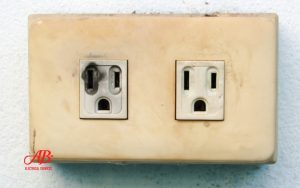
- Inspect outlets for visible damage or burning
- Flip the breaker fully OFF, then back ON once
If the breaker resets and power is restored, monitor closely for re-tripping. If it trips again quickly, stop and move to the next section.
Red Flags That Mean It’s More Than a Tripped Breaker
The following warning signs suggest something more dangerous is happening—and may indicate a fire risk:
Burning Smell (Even With No Smoke)
A hot or melted plastic smell is a major red flag. It usually means:
- Wire insulation is overheating
- Arcing is happening inside walls
- A breaker or outlet is failing internally
Scorch Marks, Heat, or Discoloration
Touch your panel (safely). Look at the outlets. If you feel heat, see blackened surfaces, or discoloration—call a professional immediately.
Breaker Won’t Reset or Trips Instantly
If the breaker:
- Trips again the moment it’s reset
- Won’t click back into position
- Sparks or buzzes when touched
There is likely a short, overload, or arc fault. Repeated resetting can cause damage or spark combustion.
Buzzing, Popping, or Crackling
Sounds behind walls or inside panels are a serious issue. These often indicate:
- Live arcing
- Loose or damaged wiring
- Faulty connections in outlets or switches
Lights Flickering Across Multiple Rooms
Especially if flickering is random or synced with appliances turning on. This may suggest:
- A main panel or grounding issue
- Shared circuit overload
- Failing breaker
What to Do Immediately If You Suspect a Fire Hazard
If you’re seeing smoke, hearing popping, or smelling burning, act fast.
When to Call 911 First
- You see flames or thick smoke
- The panel is visibly sparking or arcing
- The smell is intensifying rapidly and you can’t locate it
Evacuate immediately. Do not try to fix or touch anything.
How to Shut Off Power Safely
If there’s no active fire but clear warning signs:
- Open the panel door
- Flip the main breaker OFF (top switch in most panels)
- Step away from the panel and call AB Electrical
What Not to Do
- Don’t reset a breaker more than once
- Don’t plug devices back in after a trip
- Don’t open outlets or panels yourself
- Don’t assume the issue “resolved itself” because the lights came back on
When to Call a Same-Day Emergency Electrician
Not all fire risks start with flames. Many begin quietly—behind walls, inside panels, or under outlets. Here’s when to stop waiting and call:
- Breaker keeps tripping even after unplugging devices
- Burning smell lingers or returns
- Outlets or switches feel hot
- Lights flicker across multiple rooms
- You hear buzzing, clicking, or hissing sounds
If any of these occur, AB Electrical’s same-day service during business hours ensures a fast, licensed response.
We’ll arrive prepared to stabilize the issue, prevent escalation, and provide peace of mind—often within a few hours.
Common Causes of Hidden Fire Hazards
These are the behind-the-wall risks we uncover on emergency calls:
Loose Wiring or Arcing
Especially in older homes, we see:
- Poorly secured wires inside boxes
- Wire nuts that weren’t tightened
- Wires that were never grounded
These can spark silently for days before catching fire.
Outdated or Defective Panels
Panels from brands like Zinsco, Federal Pacific, and Challenger are known to:
- Fail to trip under overload
- Allow breakers to “stick”
- Overheat under modern loads
Improper DIY Work
Unpermitted renovations often hide:
- Wrong-sized breakers
- Double-tapped terminals
- Bare wire junctions
Moisture Exposure
Rainwater, humidity, or pests can:
- Corrode outlets and GFCIs
- Trigger ground faults
- Cause shorting behind exterior walls
AB Electrical’s Diagnostic and Prevention Process
When you call AB Electrical for a suspected fire hazard, here’s what we do:
1. Same-Day Triage + Arrival (Business Hours)
We talk you through safe shutdowns, then dispatch based on severity.
2. On-Site Diagnosis with Pro Tools
- Thermal cameras detect heat behind walls
- Voltage testers isolate shorts
- Load meters assess overloads in real time
- Moisture detectors identify hidden water damage
3. Immediate Containment
We isolate and secure the issue:
- Disconnect bad circuits
- Apply NEC-compliant temporary fixes
- Replace burnt or failed components if safe to do so
4. 47-Point Electrical Safety Audit
Included with every emergency call, this comprehensive audit checks:
- Panel age, capacity, and temperature
- GFCI/AFCI functionality
- Grounding and bonding
- Overload risk
- Signs of hidden degradation
It’s not just about solving the emergency—it’s about preventing the next one.
What to Remember If You’re Unsure
When breakers trip, it’s easy to brush it off. But when they keep tripping—or come with strange smells, heat, or noise—it’s time to stop guessing.
Don’t reset. Don’t wait. Don’t hope.
Call AB Electrical. We’ll respond same-day (within business hours), walk you through safe steps over the phone, and ensure your home is safe again before nightfall.