
Act fast, stay safe, and protect your home—minute by minute

Your lights flicker. You hear a pop. Half the house goes dark—and then you smell something burning. In that moment, you have five minutes to make the right decisions. Those first few steps can determine whether you prevent a disaster or face one.
At AB Electrical Services, we’ve seen how quickly electrical issues can escalate. A short circuit or overloaded panel can go from a nuisance to a life-threatening fire in minutes. This guide will walk you through exactly what to do—and what not to do—when an electrical emergency begins.
Why the First Five Minutes Matter More Than You Think
Electrical fires start fast and spread faster
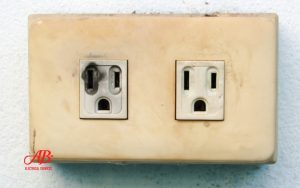
Once insulation or wiring begins to overheat, ignition can happen within seconds. A burning smell or smoke means heat buildup has already started.
Hesitation and DIY fixes can make it worse
Many homeowners waste time trying to “fix” the problem—resetting breakers repeatedly, checking cords, or touching panels. Each minute increases the chance of sparks, shock, or fire.
We’ve seen what happens when people wait too long
In one Orange County call, a homeowner ignored flickering and odor until smoke appeared from behind drywall. What could have been a quick breaker replacement became a full panel fire and $20,000 in damage.
Those first five minutes aren’t about solving the problem—they’re about staying safe until professional help arrives.
Step-by-Step: What to Do in the First 5 Minutes
Step 1 – Stop using outlets and unplug nearby devices
Turn off and unplug anything in the affected area, but only if there’s no smoke, burning, or heat near the outlet. This reduces current flow and can prevent overload escalation.
Step 2 – Look, listen, and smell for warning signs
Use all your senses safely:
- Look for flickering lights, smoke, or sparks
- Listen for popping, buzzing, or crackling
- Smell for burning plastic or hot metal
If you notice any of these, stop everything and prepare to evacuate.
Step 3 – Evacuate and call 911 if danger is present
If you see flames, smell strong burning, or see arcing from outlets or your panel, leave immediately and call 911. Do not touch breakers or outlets.
Step 4 – If it’s safe, shut off the main power
If there’s no visible fire, you can shut off the main breaker to prevent further current flow. Stand on dry ground, use one hand, and keep your face back from the panel. If the area is wet, skip this step and leave it to professionals.
Step 5 – Call a licensed emergency electrician
Once everyone is safe, call AB Electrical Services. We’ll walk you through any next steps over the phone and dispatch a licensed electrician for same-day service within business hours.
What NOT to Do in the First 5 Minutes
Even well-intentioned homeowners can make mistakes that put their safety at risk. Avoid these common errors:
Don’t reset breakers repeatedly
If it trips again immediately, it’s detecting a fault. Forcing it can lead to arcing or melting contacts.
Don’t touch warm or sparking outlets or panels
If anything feels hot or emits light, stay back. Heat and electricity can travel through moisture or metal surfaces.
Don’t use water on electrical fires
Use a Class C fire extinguisher if available, or get out and call 911. Water conducts electricity and can make the situation worse.
Don’t assume it’s fine if lights come back on
Power restoration doesn’t mean the problem is gone—it could mean a circuit temporarily reconnected before failing again.
How AB Electrical Responds to Electrical Emergencies
When you call AB Electrical during business hours, we respond immediately to assess urgency and send help fast.
What happens when you call
Our licensed technicians answer directly—not a call center. We’ll ask what you’re seeing, smelling, and hearing to guide your next steps safely.
What happens when we arrive
We inspect the scene with:
- Thermal scanners to detect hidden hot spots
- Voltage meters to identify dangerous surges or shorts
- Moisture detectors for flood-related hazards
We isolate the hazard first—disconnecting unsafe circuits or components—before performing immediate, code-compliant repairs.
Preventing it from happening again
Every emergency visit includes our 47-Point Electrical Safety Audit, which examines your panel, outlets, wiring, and grounding system to prevent future risks.
Building a Safety-First Household
Preparedness is protection. Families who know how to respond early are far less likely to face catastrophic loss.
Teach your family the basics
- Where the main breaker is located
- How to identify the smell of overheating wires
- When to call 911 vs. an electrician
Have the right tools on hand
- A Class C fire extinguisher for electrical fires
- Flashlights (not candles) for power loss
- AB Electrical’s contact number saved in your phone
Schedule preventative inspections
A safety audit every 3–5 years—or sooner for older homes—catches the warning signs long before an emergency ever starts.
What to Remember If It Happens to You
Electrical emergencies rarely announce themselves—they just happen. But the right first five minutes can change everything.
Stay calm. Don’t touch anything suspicious. If there’s smoke or burning, get out and call 911. If it’s safe, cut power and call AB Electrical Services. We’ll handle the rest.
Our local, licensed electricians serve all of Orange County with same-day emergency response during business hours—keeping your home safe, stable, and stress-free.