
Understand the warning signs, root causes, and expert response protocols that keep you safe

Most electrical fires start with small, subtle warning signs—often ignored because they seemed minor.
A flickering light. A breaker that trips “sometimes.” A faint burning smell.
For many Orange County homeowners and small business owners, the real emergency isn’t what happens in the moment—it’s what they realize afterward: the warning signs were there, but no one recognized them.
At AB Electrical Services, we see this every day. That’s why this guide exists—to help you spot the most common and most dangerous electrical emergencies before disaster strikes. Whether you’re living in an older home or managing a commercial property, here’s what you need to know to stay safe.
Why Electrical Emergencies Often Go Unnoticed
Many electrical issues don’t start with sparks or fire—they start quietly, building up unnoticed until it’s too late.
Commonly Ignored Early Warnings:
- Flickering or dimming lights
- Frequent breaker trips
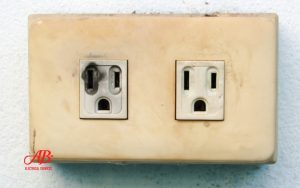
- Warm or discolored outlets
- Buzzing sounds near switches or panels
- Strange or persistent odors (burning plastic, ozone)
Most people assume these are harmless quirks. But they’re not.
Residential vs. Commercial Risks
Risk Type | Homes | Businesses |
Wiring age | Often outdated (30+ years) | Often patched or modified for expansion |
Power demand | Lower overall, but growing | High-load equipment, HVAC, and 3-phase systems |
Exposure to water | Leaks, garages, exterior outlets | Storm runoff, rooftop units, production areas |
Human error | DIY repairs or neglect | Untrained staff using power tools or outlets |
Panel limitations | Underrated for modern devices | Complex loads with outdated panel layouts |
Understanding the context of your space is key to catching these issues early.
Most Common Electrical Emergencies in Homes
In residential properties, these are the emergencies we encounter most often:
1. Burning Smells or Scorched Outlets
Usually indicates melting insulation or wire arcing behind the wall. If you smell burning plastic or see discoloration, shut off power and call immediately.
2. Breakers That Constantly Trip or Won’t Reset
Frequent trips are your panel warning you of danger—overload, short circuits, or failed breakers. If a breaker won’t reset, forcing it is extremely risky.
3. Buzzing or Crackling Behind Walls
This sound is caused by arcing and is a major red flag. It can lead to fire if not addressed quickly.
4. Sudden Power Loss (Partial or Whole Home)
When only part of the house loses power and it’s not a utility issue, internal wiring or panel faults are likely.
5. Water Intrusion in Panels or Outlets
After storms or plumbing failures, we often find water-damaged components—especially in garages, basements, and exterior outlets.
6. Persistent Burning Odor with No Source
If you smell heat or smoke but can’t find the source, it could be inside a wall or ceiling junction box. Treat it as urgent.
Most Common Electrical Emergencies in Businesses
Commercial spaces often face higher-stakes issues tied to equipment, volume, and safety compliance:
1. Overloaded Circuits
Often from plugging high-draw equipment into general-use outlets without load planning. HVAC systems and large printers are frequent culprits.
2. Power Surges Causing Equipment Shutdown
Inadequate surge protection or circuit separation can damage sensitive electronics or shut down production lines.
3. Sparking or Hot Outlets
Excessive use in zones like break rooms, shop floors, or charging stations wears out outlets over time—leading to overheating and fire risk.
4. 3-Phase Power Imbalance
Seen in warehouses and manufacturing. When power is not evenly distributed across phases, motors can overheat or fail.
5. Exposed or Damaged Wiring
Often the result of forklift accidents, renovation work, or deferred maintenance. Exposed conductors are an OSHA hazard and legal liability.
What These Emergencies Have in Common
Despite the differences between homes and commercial buildings, many electrical emergencies share the same root causes:
- Aging Electrical Panels- Older panels (like Zinsco or Federal Pacific) can’t handle today’s loads—and many are known fire hazards.
- DIY or Poor-Quality Electrical Work– From reversed polarity to dangerous wire splices, we often find unlicensed repairs hidden behind walls.
- Water and Electricity Mixing- Whether from storms, leaks, or condensation, moisture in the wrong place creates instant fire and shock hazards.
- Deferred Inspections or Maintenance- Most emergencies could’ve been caught during a routine inspection. The longer issues go unmonitored, the more expensive and dangerous they become.
How AB Electrical Handles Emergencies
When you call AB Electrical Services with an emergency, here’s what you can expect:
- Real-Time Phone Triage- Our licensed techs help assess urgency over the phone and determine whether same-day dispatch is needed.
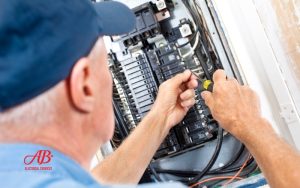
- On-Site Hazard Containment- We isolate the danger zone—cutting off affected circuits, securing the panel, and eliminating immediate risks.
- Rapid Diagnosis and Temporary Fixes- With thermal scanners, GFCI testers, and voltage meters on-hand, we find the root issue and apply a safe fix until permanent repairs are scheduled.
- Full Safety Repair with Code Compliance- Every repair is up to California electrical code—no shortcuts, no band-aids.
- Optional 47-Point Electrical Safety Audit– Included with every emergency call, this audit helps prevent repeat issues and gives you a complete picture of your system’s health.
How to Prevent the Next Emergency
Many clients say, “We had no idea this was coming.” But most of the time, the signs were already there. Prevention starts with visibility.
Here’s what we recommend:
- Schedule a safety inspection every 3–5 years for homes, and annually for commercial spaces.
- Replace or upgrade outdated panels, especially Zinsco, FPE, or panels 30+ years old.
- Install whole-building surge protection to protect sensitive equipment and reduce fire risk.
- Ensure water exposure is minimized—install weather-rated covers outdoors and seal entry points near panels.
Ask about our 47-Point Electrical Safety Audit—a proprietary evaluation that checks everything from load balancing to grounding, GFCI coverage, and moisture exposure.
What to Remember If You’re Unsure
You don’t need to see flames for it to be an emergency. If something feels wrong—smells hot, sounds strange, or won’t reset—don’t guess. Your system is trying to warn you.
At AB Electrical Services, we bring decades of local experience, fast response, and safety-first solutions to every emergency call in Orange County. Whether you’re a homeowner, property manager, or business owner, we’re here to help you act before the worst happens.